Archive

Advice

I am not a rocket scientist, I really am not. This I know very well by now. I am very unlikely to ever be a rocket scientist, just to be clear here, but I am also not that stupid…

Visibility is never 100%, our own limitations are one thing but then there is the shadows caused by moving clouds that mean the sun does not shine everywhere.

As I embark on a new career in the wonderful world of Agile, I have a few hurdles that probably look like hurdles in a great many places of work. Being a newbie is always a challenge, always. It’s kind of like jumping into an epic book but starting half way through.

It really is like this and it doesn’t help that the organisation just doesn’t seem to care all that much. Is it too much to ask to be able to access the information I need to help me gain the required understanding? Probably as these days of employee empowerment, and digital channels being a free for all (it seems). Governance or rules have gone the way of the Dodo, it seems. Everyone is busy busy busy creating content that often it feels like it has no connection to the quagmire elsewhere in the organisation. What is wrong with having some simple rules to follow so that everyone’s content remains relevant, contextual and meaningful? Or maybe the rules do exist but are just too hard to find in a swamp full of opinion and perspectives.

I like empowerment, I love it in fact, it is a really huge and beneficial step forward although I think many organisations are confused by the concept. Empowerment is not about a lack of accountability or responsibility. it’s about allowing and authorising people to make decisions in your organisations where their expertise allows. After all you wouldn’t expect the receptionist to decide to spend a billion of the organisations funds to implement a new process of recruitment. Of course not, I’m clearly being daft. It is just an exaggeration to make a point although it seems that with communication means, this is exactly the kind of error being made.

Confluence pages are made with ease, they feel disposable and irrelevant, but they are visible, accessible and may be believed as representative the organisations values, but do they? Finding accurate and comprehensive information is becoming increasingly difficult when organisations seem reluctant or unwilling to control and maintain any more.

Shifts have been quick, digital content is powerful and really useful, but only when it all connects. Are we in a vacuum of uncertainty, where organisations don’t feel confident to pull back the reigns of empowerment in order to get it working right? Just setting the approved layout of information with a universal understanding of what is required with a process of either peer review or line manager checks might help but it does feel like this goes against the empowerment movement, but checks are not a negative thing, they are a learning and confidence aid. What is wrong with a more experienced member of staff, sharing their knowledge?

So I will continue to wade through the fragmented information to try to gain the insights needed to add value.


As a practitioner in AgilePM, a professional Scrum Master and working in the role of an Agile delivery manager, I don’t consider myself an expert. If I did I would probably remain lost in the sea of Agile experts. There are a lot. Although I’m unsure exactly what an expert is. Feel free to let me know if you have any insight.

The idea that ‘Agile’ is order is not respecting the environment where it operates.

I have mentioned before the belief that many people who consider themselves ‘Agilists’ do so to fit into the crowd without really getting the point. Another misconception about ‘Agile’, is its simplicity! It’s a piece of cake… Go away for a couple of days or a week on a course and the little bit of knowledge starts to open up the possibility of what it can produce. It it’s no secret that it can be an incredibly valuable method / mentality / idea / thing / whatever… It certainly seems to work well in a development / software environment, but it is far from simple when it comes to implementing it.

When you look at it as a Scrum team or other small team working towards a valuable product, it looks pretty simple, and those diagrams do a good job of making it appear simple, but that is their job.

The problem is though, ‘Agile’ does not operate in a sterile bubble, where communications are controlled on rails and everyone knows exactly what they and their whole team are doing down to the minuscule detail and management sit in their offices comfortable that the scrum team is producing immense value every iteration.

If only it was that simple…

Now, I don’t have the solutions for you, I told you I’m not an expert, all I do know is that I have looked at an organisation in. the past and said to myself, “Agile would really work well there!”, and then the real work begins. You don’t have to have a vision as to how it will ultimately look, because, the point is that true ‘Agile’ adapts to and around the team, as long as it’s understood and respected enough. I mean, have you ever truly thought about exactly what an empowered team looks like? It’s about the loss of control and ultimate trust, mountains of trust and that subject is a blog post in itself.

How many times have you managed a team that was a carbon copy of the team before?

Thats right and the primary reason a lazy, formulaic approach to ‘Agile’ will be doomed to fail, it will never get to perfection for more than a moment and some dynamic or other messes with it.

It will always and constantly need attention and love to succeed. It’s just not simple to organise a group of human beings into a performing team by just reading a few pages in a text book. It’s a challenge, a rewarding challenge at times, but a challenge all the same..

But, you know what? It might just be worth that effort…

I have always been easily distracted, I know this about myself, even if it’s not something I ever really wanted to admit publicly. There, it’s out there now and I am not ashamed one little bit…

You have to find your own peace in the noise to really plan your next moves.

My life is certainly not a failure, both my personal and professional lives have regrets, as all our ours do, but I am positive about where I am today. I have made mistakes and people have made mistakes around me and even with me. Thats life I am afraid and we learn from our mistakes only if we let ourselves.

Now I certainly hope I am not preaching, but I’ve been guilty of failing to plan properly and cliché’s about planning to fail do not really help. I’ve pretty much always gone through my days reacting and making decisions as I went. I guess I make pretty good decisions as I cannot look at myself as a failure. I have done pretty well. Now let’s not get carried away here, I’m not saying I couldn’t have done better or achieved more, possibly, but who really knows and who really cares? The past is back there, where it belongs and I have no desire to go back. Mostly because it would be pointless and impossible. We tease ourselves with notions of time machines and making different choices.

So, what’s the point of this blog?

Well far from being completed, I started making some changes in the way I work some time ago that was conscious and considered. I started to give myself time to plan. A regular time to reflect on today and then look forward to tomorrow. I close myself off, a set time every day. I check I’ve done my work for today and if not I establish why not. I then make sure my email inbox is empty (every day), I will write about that another day. I look at what I need to achieve tomorrow and see what is possible in my diary. It’s clear that I cannot get everything done every day, no-one can manage than, but I can control my own intent and make my own decisions about my objectives and make sure I am prepared to work on them.

I won’t lie, it’s a work in progress and one that has it’s pitfalls and hurdles but I am able to better control my own time and less inclined to suffer other peoples poor control.

So it’s time for me to sign off now to prepare for tomorrow…

See you soon.

P.S. The touch typing is coming on now…

I’ve spent a lot of my career around communications specialists, even considered myself to be there too. Although I know a lot about communications, the more I learn, the more I realise I don’t know half as much as I think.

we are often not as clear in our communications as we believe.

People are complex, really complex and that is the real issue for me. We can easily get sucked into patterns of communication based on assumptions. How often have you spent ages working on that email, to inform your team of important changes and felt that great sense of relief when you hit send?

Just how important was that information?

Communication is a minefield, effective communication is the never ending story…

Instant messaging, email, texts, presentations, calls, face to face, the list goes on and with remote working, the challengers are getting harder. You can be having a conversation with a colleague and never be sure that they are really paying attention. Are you getting eye contact? Do they even have their cameras on?

People are also so diverse that we often make assumptions that we have been clear in our direction only discover later that we were not understood, a word was taken in a different manner changing context resulting in that work nit getting completed.

I guess that the starting point to improvement is the acknowledgement that you don’t know it all and show some bloody humility, learn to relate better and try to empathise with whoever your audience is.

I am starting to understand that communication, like a lot of things, is like a sandy beach, you can make a path that people can follow easily enough but sometimes the sea or the wind can obscure it easily, the path can get lost in other foot prints, your path can also be obscured by others on the beach on purpose…

Constantly question yourself, learn a bit more each time and will will improve but you will never get it right every time.

‘No’ is one of the first words we learn, certainly it’s one of the first words we hear. Could this be the reason we don’t like to use it very often?

It can feel intimidating when being given more work but you can say ‘no’.

When it comes to our own productivity, it’s a word that we must get used to in order to reach anywhere near our own potential. When you don’t use ‘no’, you are actually giving up your own control of your time. Not using ‘no’, means ‘yes’. Well thats what people hear when they don’t hear ‘no’.

It’s actually a really hard word to use, it feels negative in an age where positivity and a ‘can do’ attitude is what we are constantly told is the only way to be. If you don’t say ‘no’, but a silent ‘yes’, you will never control your own time, and if you don’t control your own time, you can never be the best you can be.

The only person who can give you the authority to use the damn word is you.

Take a brief moment to think about it. You have been given another load of work by your boss, the fact it’s your boss makes it hard, right? Your boss is the reason you have a job in the first place, so it will feel hard. It’s a comfort zone and the only way to beat a comfort zone is to push through it. The more you say ‘no’, the easier it will become.

Of course, saying ‘no’, is usually a little more subtle than that, it’s probably not wise to just say it for the sake of it, that’s a path to unemployment… By controlling your own time, and making sure you are able to prioritise your work, you will be better prepared to say ‘no’ by telling your boss (or whoever is requesting your efforts), the reasons why you cannot. After all, by correctly managing your time, you will have prioritised your effort to the benefit of the business. What boss would not appreciate that?

So, saying ‘no’ on its own is clearly enough. It’s a piece of the larger puzzle, but the truth remains, you have to consider how you can say ‘no’, maintain your own credibility and be the leader of your own destiny.

Take your time, take a deep breath, consider your situation and be honest and bold.

Readers of this may well recognise this title. It is one of the rules for life that Jordan Peterson wrote about in his popular book “12 rules for life”.

Water always takes the path of least resistance but even so, it’s persistence slowly but surely wears its path down.

I won’t presume to go into more detail as he does in the book, he is far more adept at doing this than I am.

I was thinking about this today though when I had another blog post make me think. All too often we are tempted to take the path of least resistance

As human beings can we ever really know ‘the truth’? I am of an opinion these days that the answer is a resounding ‘No’! Human beings live in a landscape lacking clarity and uncertainty and we tend to continuously make judgements based on our own perspectives. Perspective is the key word here. Everyone has one. So perhaps we should stop looking for truth as a definitive, but rather understand that there is likely more than one truth, after all is a truth from the perspective of a person wrong, just because it differs from someone else’s? ‘The’ truth exists, although in most cases, we are truly unable to see it in its entirety. Perhaps we should accept ‘the’ truth is just ‘our’ truth.

It’s a pretty divisive issue these days, especially around the whole issue of ‘Fake News”, and I don’t think that it’s an easy answer. It does, in fact, open up a whole can of worms, for the unscrupulous to exploit this confusion and label it as ‘their’ truth.

Many people deal with this confusion daily, be it from a cheating partner, a domineering boss, overly competitive colleagues, Politics and Religion or many other sources. This remains an issue that has been around from the beginning of time.

What I personally believe is that Human beings have the capacity (in most cases), for empathy with others. Being able to accept another perspective is not an agreement of their perspective but possibly the start of creating understanding as a basis for development. It’s something that is born of emotional intelligence and demonstrates flexibility, honesty and a willingness to understand from a wider point of view.

One thing I do know about honesty, is that it is not often an easy option. In fact I would say that it is often fraught with danger and this is where I agree with Jordan 100%.

It is with this in mind that I will leave you. Please take a little time to ponder this, and be mindful and empathetic of other points of view rather than blatantly disregarding them. It may just make you a better you, wether you agree or not…

Until next time…

I’m out of here!

Twenty five years! Twenty five years where work has been more than just a job. It’s been an experience, that is for damn sure. There have been laughs, tears, a lot of tears, great times, the worst of times. I will leave with memories, some I wish I didn’t many more that I’m glad of. You know, on reflection, it’s been pretty good overall. More than pretty good to be fair.

Life does not stand still for any of us. It constantly shifts, evolves more than we realise. It’s like when I go for a slow jog, I don’t feel like I’m moving very fast (we have got so used to moving quickly), but every once in a while, look back. You move quicker and farther than you realise.

I guess it all comes down to perspectives after all. You should always remember that your own is just your own. Everybody in your life has their own too. Don’t take it for granted that everyone sees yours.

So the exit ramp is coming up and I can’t see what is around the corner. Most people manage to survive the journey though so the odds are pretty good, hey?

One of the most important things I have ever learnt is not to live in fear of the future, it’s a pointless exercise. You don’t know what will happen tomorrow any more than anybody else. Opportunities come and go, people come and go. I guess all you can try to do is be a person that is positive, always trying to better than yesterday and you will have good people around you most of the time. If someone decides they can’t stay, remember that they have their own shit going on.

I write this during a break where I am preparing a big presentation, an ambitious project that I will be sad not to be able to see through to the end, but I stand resolute that it is the right way forward. Sometimes that is all you can do.

I smile now and remember that happiness is always within your grasp, it’s a choice (most of the time). Choose it for yourself…

Thanks for listening.

Nature around the garden demonstrates efficient symbiosis. The importance of this connection is not visible or understood by everyone, but ignorance has no relation on it’s importance. Photographer: Mark Nesbit

Nature over time has created an effective and efficient interoperability. Without insects, flowers would not be pollinated, fruit would not grow and the future of these species would be in doubt.

In the business world, we need this level of connectivity, or expect it and more often than not assume it. We build teams, plan meetings and activities and pretty much assume that this is all automatically universally understood and absorbed.

Under the Covid19 restrictions, I see people sitting in more and more meetings, all from home, where we are surrounded by distractions (family issues, bored kids, noise, the broken dishwasher, the list never ends), however all those meetings (I had five yesterday) we are expected to maintain 100% focus. The formats are dull, unimaginative and often pointless or even worse, aimless! Then we are expected to act on them. It’s insanity at times.

Connections must be efficient and effective, otherwise they should be cut. This sounds easy, but often not. I have meetings on in the background as I continue to work now as they track the telephone numbers of those dialling in.

At the start of this Covid journey, I got it. A strange situation, people working from home, we needed to keep an eye on each others mental health, make sure everyone was engaged. The perils of isolation were identified early on.

You need an element of trust towards your work force. The flower doesn’t complain or sulk when a bee passes by without stopping. Another bee from the hive has or will pick up the nectar…

I mean that meetings are not the only way to communicate, there are more effective methods for certain things.

If any of your have your own Covid meeting stories, I’d love to hear them.

The humble bee knows what it needs to do. It doesn’t need to think about it at all.

At the grand old age of… (nearly 50), I am quite late to the party. I’ve always been pretty ambitious. Probably more ambitious than many people who know me realise. My ambition has been fortunate though. I never seemed to reach my full potential. I always felt I could achieve more. Don’t we all feel like this at times?

I never used to really set goals, I never really had a plan or strategy to get to where I wanted to go. I had a vague idea on the destination but lacked the visualisation. You see a vague idea is fine, I guess. I suppose that is a goal, but it’s not going to drive you.

There are times for a bee when it seems there is plenty, it’s all right there for the taking.

A dream or a goal is fine, but just having that is not going to get you there. I don’t even mean you have to have a super dream or goal. It might just be ‘to be happy’. That seems simple enough? Is it?

Write it down!

Now be it!

Easy right?

Didn’t think so. So what have I learned on my [nearly] fifty year journey? It’s taken a while, but I’ve learned that to achieve any goal, you need to analyse it, find out more about it. Break it down into bite size chunks and tackle each chunk one at a time. Make a strategy and a time line that you can work towards. Be realistic and have honesty with yourself. Don’t just pick a goal because, well, someone else has it or you think it’s what is expected. Have your own goals, set them, really analyse them. How can you achieve them?

Breaking them down into chunks, is the first step. Now comes the really hard part…

Do them.

As Lao Tzu said, “the journey of a thousand miles starts with one step”, and it’s true. Also some goals will feel more like a thousand mile journey too.

There is nothing quite as exciting as reaching a goal that has taken you time to achieve.
Life is so full of distractions that it can be difficult to see what is truly important.

At almost 50, you might think I would have a better idea about life. Certainly I can say I have experience. I have a whole heap of experiences. Some good, in fact lots good, some bad and some just…meh!

In this I am no different to anyone, in this we are all united. I used to be comforted by being so busy. It used to make me feel like I was becoming better at things, at life, at work. I was progressing for sure, but was I getting better?

One of the most important things I have learnt in recent months is that we owe ourselves some time for us. We need to be able to look at our situation in the silence and contemplate what really is important to us. Prioritisation is perhaps one of the most important things we should do for us and it must be honest. Making these decisions in and around the busy day at work or the frantic home life is very difficult, almost impossible.

You need to find your own method, but the first step is to make the time. I try to meditate for 10 mins a day in the morning. I don’t make it every day though. I try to exercise for 30 mins every day, but not always. I write down what I’m thinking about. I am better now at planning my following day and better at sticking to it (I will cover this in a later blog). I’m not perfect though. I still make mistakes and think I always will.

I am better when I find the time to evaluate what has gone on, put it into perspective and decide where things sit on the importance scale, the REAL importance scale, because I find we tend to put too much at the top of this scale that leads to distraction, confusion and ultimately failure.

What is important to you? Well my friend, only YOU can answer that and only YOU can give yourself the time to answer that. If I have one piece of advice though. Don’t always expect an easy answer. It can take time to get to the truth…

If only our lives allowed us the single mindedness of the bee.
Covid has not affected everyones productivity.

Like pretty much everyone else, Covid19 has affected their work lives, the ‘work from home’ scenario should be in full swing now. For most, it has been a change, some for the better and others… well you know?

I must admit, that for me it started pretty well. I could see better communication within the department although the down side was more meetings I did not ‘need’ to be at.

I think that when changes in the work place occur, either by design or necessity, it is very important to keep checking. What starts off as progress can soon lead to complacency and turmoil if not unchecked.

In particular, in these circumstances, when there is such massive change in an organisation, it is important to be heard. Your opinion counts and if you are having issues with a process (they are not working for you), it is better to address them directly and positively than just letting them go on. The chances are, others are feeling the same but possibly don’t have the courage to bring up the problem.

Stay strong, stay polite (although you may not always feel like it), and remember that a team is only as strong as its weakest member.

We all have our imperfections but it does not mean we are useless.

As an experienced photographer, I often take my craft for granted.  I forget that it has taken decades to get to where I am.  I don’t pretend to be the best photographer out there.  The truth is that because photography is subjective (everyone likes different styles, looks, processes), my style will not suit every client.

As a client, you have more power than you ever had in the past.  There are literally thousands of photographers out there, but that does not mean every one will be a good match for you.

Your wedding is important, it will probably be one of the most important days in your life, so it’s in your interest to make sure you get all the details right.

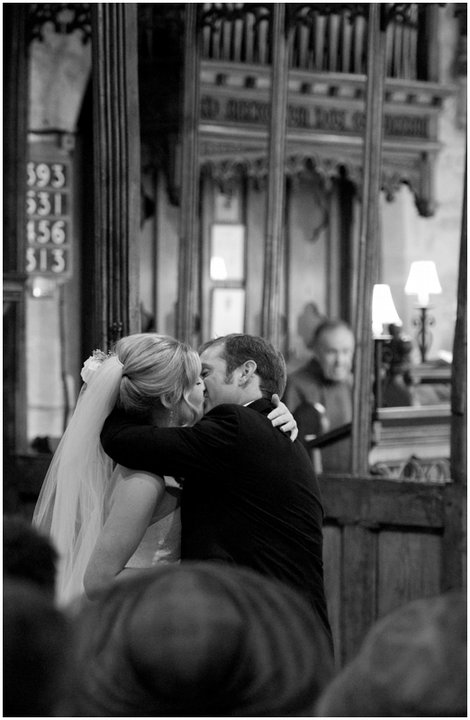
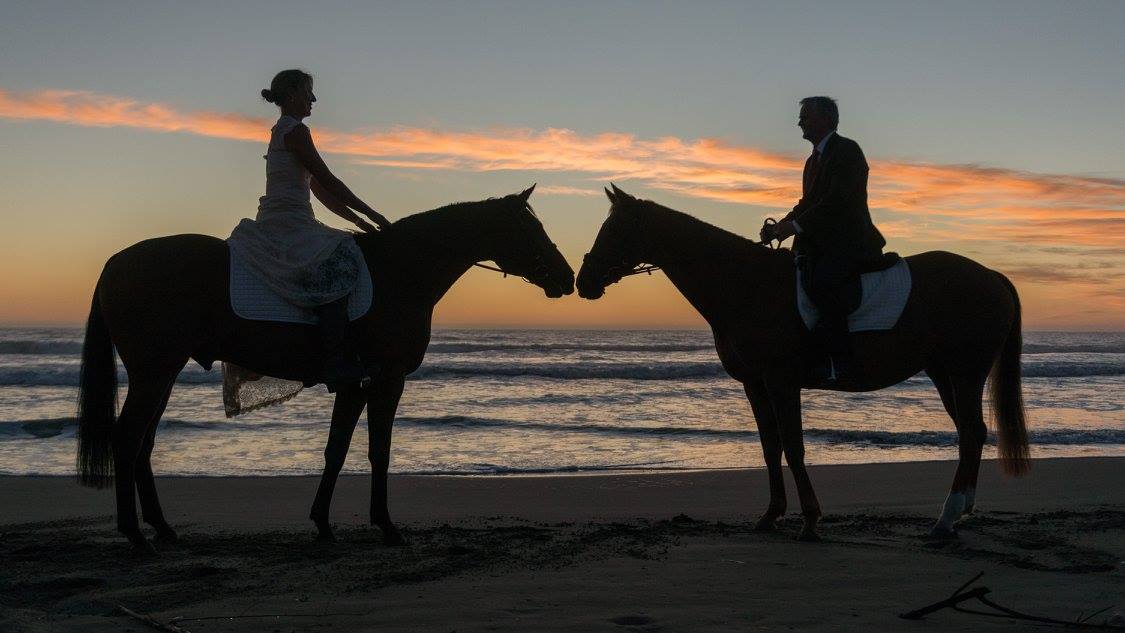
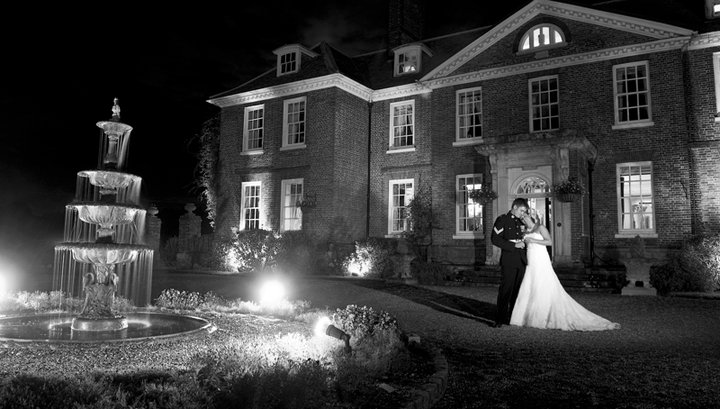
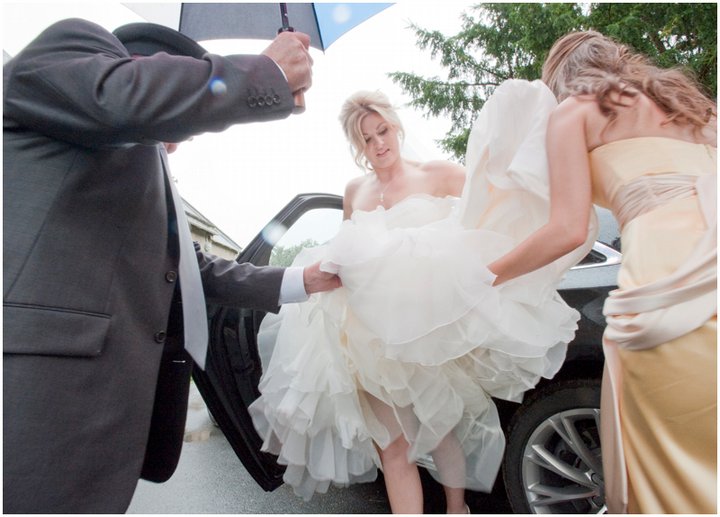
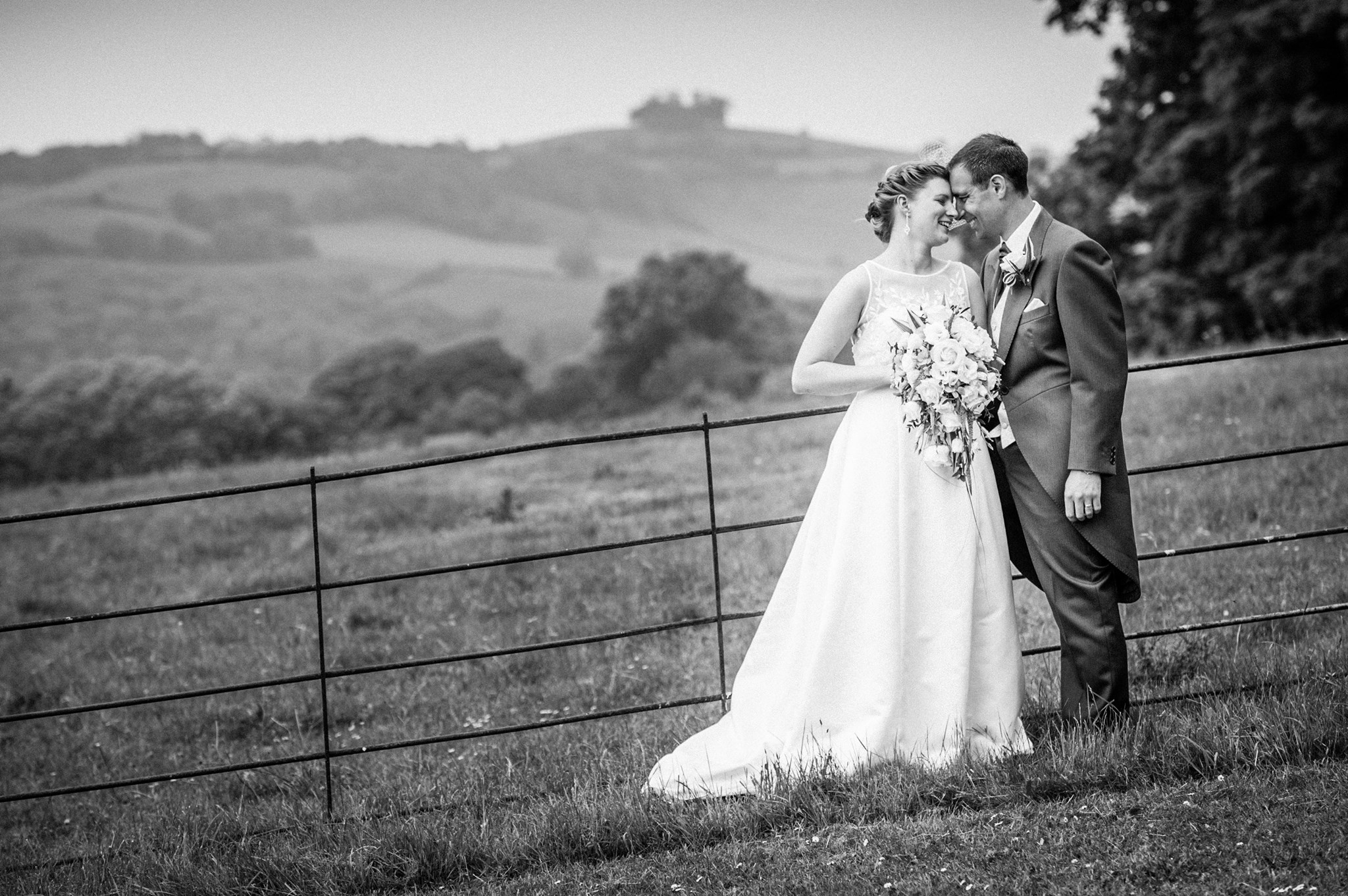
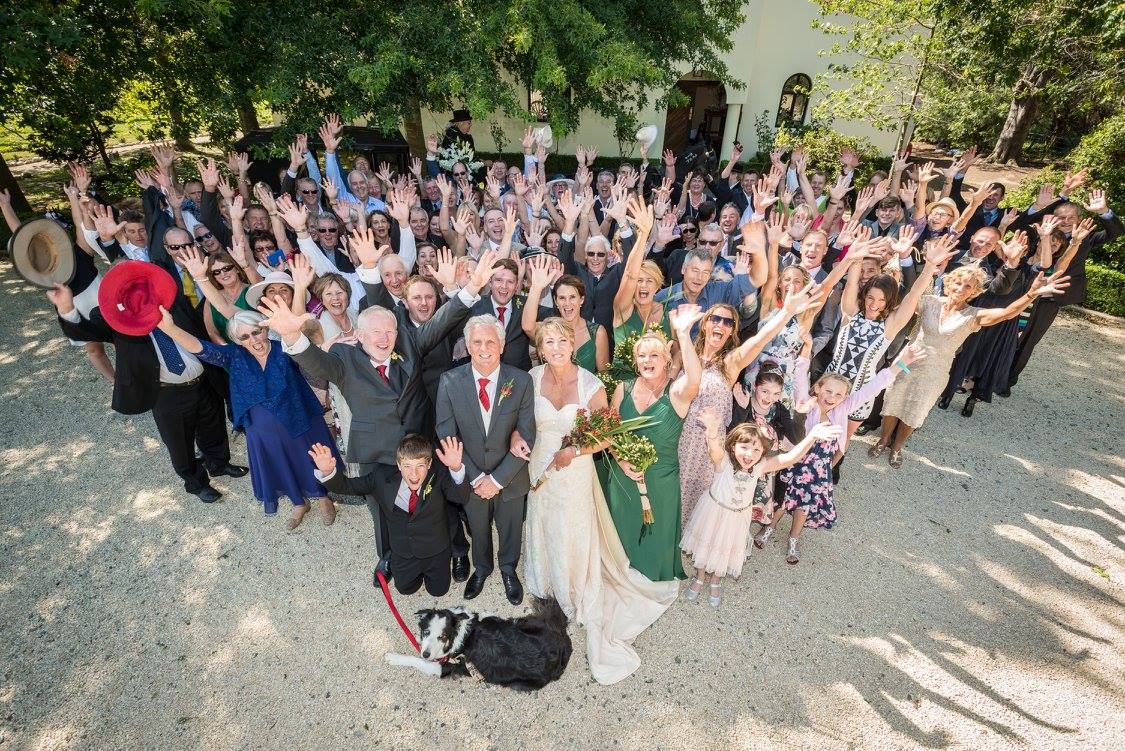
So How do you choose?  Do you know much about photography?  Now, first of all excuse the brazen use of our imagery on this post 😉

Well there are a few things you can do, some of them obvious, and some not so much.

Well the first thing you can do is work on recommendations, your family and friends may have been married recently.  Look at their album, their photographs, do you like them?  That’s a great start… but are they still available for your big day?  The more popular photographers will be booking almost two years in advance, so there is no time to waste…

Talk to your (possible) photographer and meet them, rapport is so important.  You will likely be stressed on the big day, you need to feel comfortable with your photographer.  This is especially important if your photographer is capturing your preparations with your closest friends, do you trust them to be respectful?  You wouldn’t want to feel like some pervert was stalking you in your smalls…

Next, make sure that the person you meet, is actually your photographer..  seems like a little thing but larger firms will have sales people visit you, and your photographer on the day will be a complete stranger.  It does happen… It happened to me… Of course I had no clue back then lol.  Oh and I hated the photographs.

Be realistic about price, if it’s cheap, then there is possibly a reason for that.  The average for a wedding photography package is about £1,500 although these days you can push for an awful lot at that price.  That said, you can get some good deals if you are happy to take a chance.

When you meet your photographer, try to look at one of their recent weddings in full.  You will be surprised how easy it can be to make a slideshow with 20 images that make them look really good.  Some photographers may even use photos that they have taken at training days with professional models and coaching on poses etc.  Don’t be fooled.  If you see a full wedding, although you may not be interested in the photos of Auntie Mable drunk on the dance floor, you will at least get an idea of the consistency of the photographer.  This is the best tip and reduces your risk of hiring someone who fails you.  Oh and it has been known for photographers to buy stock imagery to show themselves off.

Contract. contract, contract.  Make sure you get a contract.  It will help both parties.  You will have it written down what to expect.  Some photographers will make sure you get one, some will be a little more reluctant.  Always ask yourself why…

Make sure the photographer has insurance.  Sometimes the unexpected can happen.  The photographer’s car breaks down and they are 200 miles away… Insurance will help put your mind at rest a little.  Will their insurance come good?  It’s certainly worth asking a few questions…

So now you have read this, hire me… 😉

No, seriously, this is an important subject, one I have been wanting to write for some time.  I hate, literally hate to read about those couples who get duped for their wedding by a photographer who is little more than a conman.  They exist.  All you can do is minimise your chances of falling foul.

So now, you can hire me… 😉

Hooray…

Disclaimer:  No clients were harmed in the making of this post.. If you want to know more, please feel free to message us.