Archive

Opinion

Introduction:
Empiricism (scrum) identify the three pillars as ‘Transparency’, ‘Inspection’ and ‘Adaptation’. On the face of it, these seem quite open and honest pillars. Do they allow for organisational culture that is [perhaps] not quite so clear? Is there a failure to accept the complexity of the real working environment that we call the norm?
Context is a challenging aspect in a work environment and a lot of assumptions can be made.

Lets start with some simple definitions of these three pillars;

Transparency – means facts are presented and available as they are, everyone involved are open in their day to day transactions / communications and news / updates (good or bad) is made clear and available to all and with no hidden agendas. (It shouldn’t be difficult to find something out).

Inspection – refers to inspection by everyone in the team (scrum) and refers to the product, the processes, people, practices and continuous improvement and means a critical investigation with the idea to identify any improvements that can be made as soon as possible. Everyone is responsible.

Adaptation – The response to the transparency and Inspection and the changes needed to respond to the analysis.
Looking back will help to gain perspective on just how far you have come.

Seems quite straightforward seeing it written down however in my own experience, this is perhaps the first and biggest stumbling block any organisation can face. The reality is always far more complex in the real world. For example, in a scrum team where does the transparency end? Do the team need to have an in depth understanding of every project that is in progress in the organisation or just the project that they are working on? How are the team and the stakeholders supposed to be transparent enough? Does ‘everyone’ need to come together on a daily bases and have a group update on every small thing the business is doing? The truth is that all this may be a possibility, it really depends on the project and just how far reaching it is for the organisation as a whole. There are no simple answers and the only way to be as clear as you can is to provide the opportunity to allow discussion.

How many of us have worked in an organisation where getting answers to questions from the organisation was harder than finding hens teeth? Some people tend to hold on to information and manage it like their secret power. You’ve heard the phrase ”Knowledge is power!”? There really are people who don’t like to share knowledge and they can be adept at justifying why this is the case to both themselves and to the organisation. It can be easy to tell yourself that it does not matter, that little bit of information but the reality is that it could be and the only person who can honestly judge that is the one person who may or may not need it. Transparency is a culture and it is really really challenging. In my experience the key here is effective stakeholder management (the subject for another blog).

Inspection is the next subject and once again it seems simple enough. The onus is on the whole team to inspect the product, the processes, the team, the outcomes like this is simply the easiest request ever. How often does something happen that was not considered and or planned for? In software development it tends to happen a lot. The developers are more than likely working on technology (code) they had nothing to do with originally and technology is always improving and changing, so how the new code will interact with the original code can be quite surprising / frustrating. Thankfully agile and lean practice have techniques to tackle inspection. Most people understand the concept of the retrospective, in my opinion, the most valuable event in scrum for many reasons. Retrospectives can be good or bad, the challenge is to make them effective. This can take time building on Commitment, Courage, Openness, Focus and Respect (those good old scrum values). Effective retrospectives will enable conversation and challenge the team. The value is identifying strategies to learn and improve.

This brings us to the adaptation. Everything up to now has little value if the adaptation phase is actioned. Identifying opportunities to improve mean nothing if there is no follow up to deliver the change needed. The key considerations here are;

a. Do we know what we need to do to make the required change and can we measure the success?

b. Can we make the suggested change (do we have the autonomy and or the desire)

c. Is there agreement (consensus) that the change is worthwhile?

d. Are we trying to make too many changes at once?

Seeing an opportunity for change does not mean the team know how to achieve it, sometimes it will take research and investment. For example I was working with a team that wanted to adapt to feature releases to achieve more frequent and safer delivery to the customer, however there were a lot of aspects needed to make this a reality including input from the business to adapt a CAB (Change Advisory Board) process to suit. There were some technical changes to the branch technology that needed to be carried out too. Is there consensus in the team? You don’t need everyone to agree but if the team make a decision (majority), then the team should work together to experiment. If one of the team disagrees because they have experienced this kind of change in the past (with another team), then this is no guarantee that in the current team it cannot work this time. Their experience may offer some valuable insights into a certain approach for example. Finally making too many changes at once is a recipe for confusion as it becomes more challenging to identify what change is impacting what. I joined a team that often did not hold retrospectives and when they did the suggestions for adaptation were numerous and the team felt pressured to record as many changes as they could because they were unclear as to when the next opportunity to adapt would come. This is where the capture of ideas and suggestions is a good starting point and the identification of the highest value change is advantageous. Creating a board where suggestions and ideas were not lost is valuable and the continual evaluation of these against new suggestions are important because you will find that some change will improve the situation elsewhere.

One final point here is that not all change is a success, some ideas fail and it is important to accept the risk and avoid any kind of blame game. By keeping changes small and reversible, you have a team that can truly be courageous and experiment with ideas and by evaluating the success (with metrics), confidence in the change can be built on.

Empiricism exists in nature and although it can seem confusing, the evidence is survival.

One final note from me on metrics. Be careful with metrics, they can cause as much harm than good, especially if there is a lack of transparency on their purpose. Metrics should exist throughout the organisation to measure a variety of functions and an organisation has a responsibility to remain transparent about the what and the why. It is also important in my opinion to allow for conversation on metrics and their value because often small changes can give better results. I would also advocate the allowance for teams to work out and gather their own metrics to prove their own successes. All too often metrics in KPI’s or OKR’s can be lazily sought out to try and compare team value without the consultation of the teams involved. This can lead to a culture of mistrust if the team feel that they are being micro-managed. For example, I worked in an organisation that watched daily captured hours within a team like a hawk and clumsily used these stats to constantly question the value being provided. If a team did not capture all their hours in a day then it was an indicator that they were not doing enough work, but the reality was that they were often being pulled from their planned work to rework old code which was not being captured on a task. The team refused to create tasks for every little bit of work done to justify their existence, which I understood and that was a battle I had with management continuously.
I’ve been working with agile now for a few years and I do find that often it is misunderstood massively within organisations. This is mostly the reason businesses just never get the benefits from an agile approach to delivery of projects. In many ways it just seems too simple but the reality is that positive adaptation of agile is really challenging because it takes engagement. How can I put this clearly?

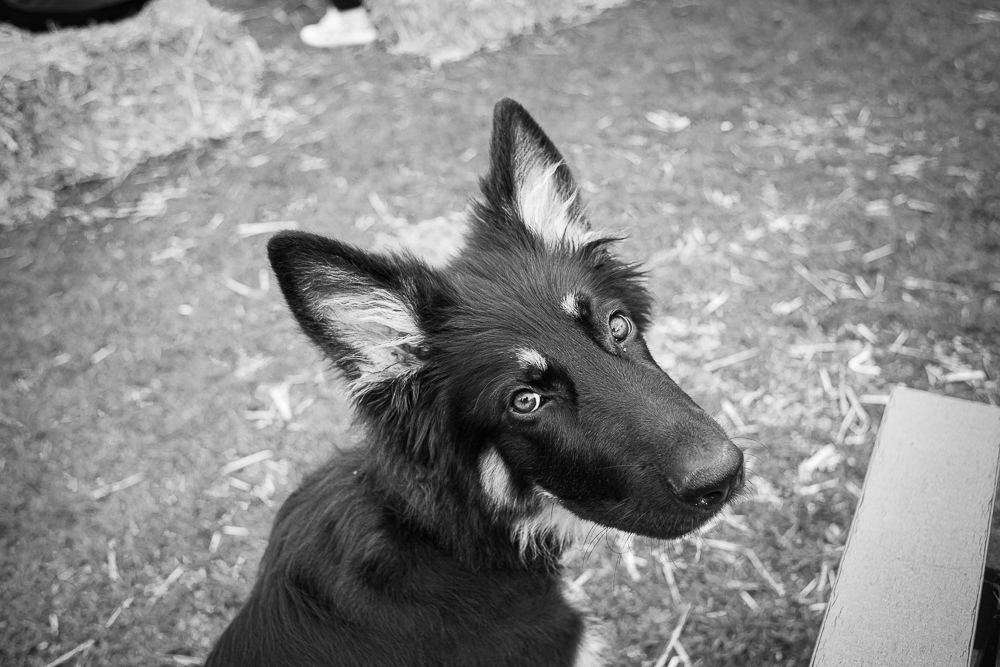
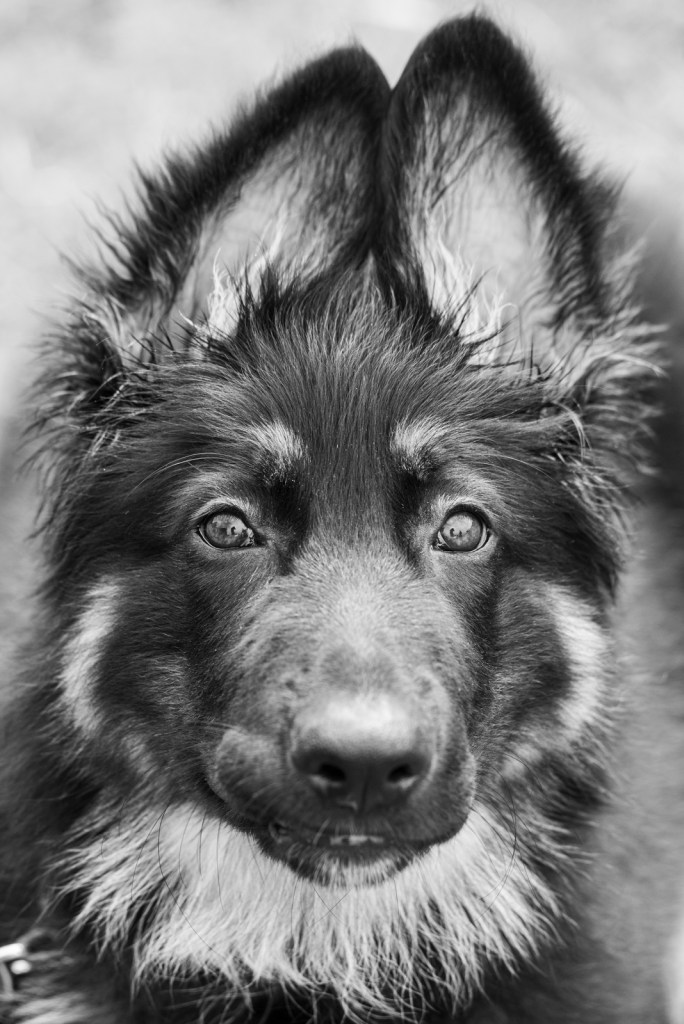
Agile is not a thing you take out of a box and just let go and be free. It is like a new puppy, it needs training and nurturing and in many ways loving. It takes consistency and effort and establishment of some solid ground rules.

Any excuse to put in a photo of the puppy, when he was a puppy…

It takes responsibility to wield agile with purpose and it takes the involvement of the whole organisation, not just the poor development team. After all the benefits of agile that is working will be realised by everyone.

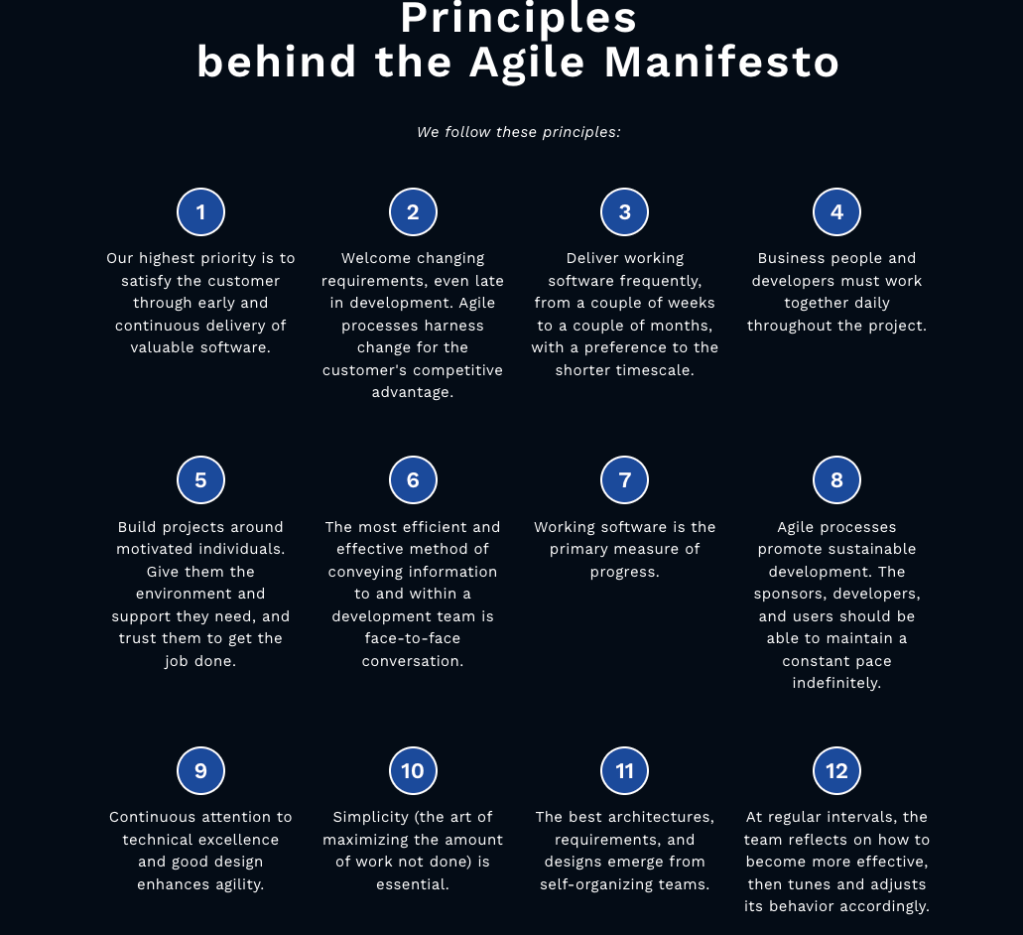
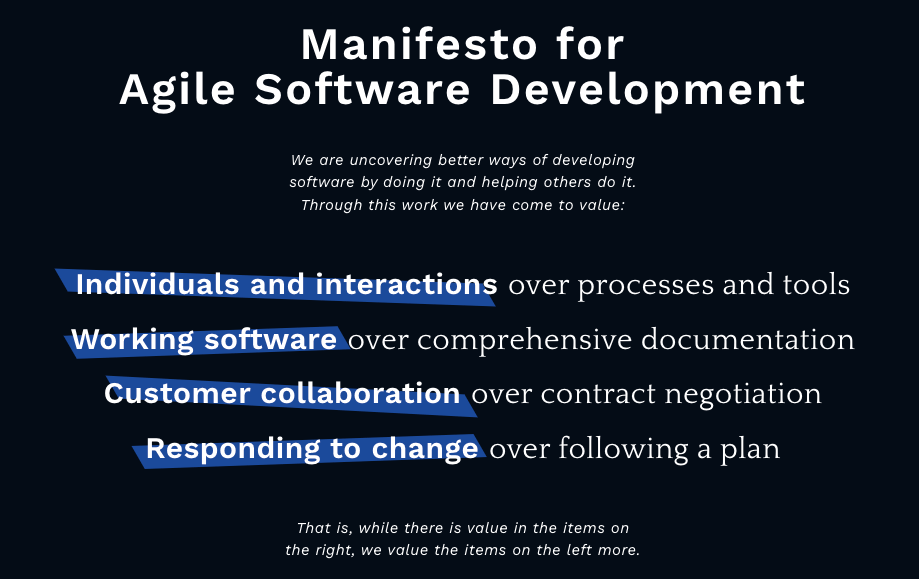
All too often I hear simple statements of the purpose of agile and yet the foundations of agile are covered by the manifesto and principles. For those unsure about them they are here;

There is a lot here to digest and if you do not come up with questions and searches for clarity then you need to read them again. I don’t believe they were ever intended as a complete answer and there is a lot to dig into. Each principle for example will need careful consideration and unpicking. I will start to go through the principals one at a time in later editions.

The fact remains that using the word ‘agile’, is in my humble opinion the laziest starting point and having read ‘Make work more fun’, by the corporate rebels gave me an insight that the businesses that seem to be excelling in agile practices are the ones who don’t call themselves ‘agile’.

“Don’t do agile, be agile…”

So what do I mean about staying light on your feet? Simply, although there is a lot of complexity around making agile work, the fundamentals are that the purpose of an agile approach to project delivery is that you don’t continue to invest in projects where the cost of implementation cannot realistically be realised by the work being carried out. Understanding and being clear about the value objectives and also being realistic about the benefits are one thing. The other main element of agile is that more is unknown at the beginning of the project and as more details come to light the greater the understanding is to identify the realities of the value. As the team learn more and share their knowledge, the better they set to be honest about the benefits to the customer and the users. Why waste precious time doing work that will not pay the dividends?

Of course this puts a very simplistic perspective on the problem because not all effort can be measured in financial rewards directly as there are often works that must be completed from a strategic perspective. Moving products to the cloud for example, although there should be an element of value, there could also be a stability or benefits from cloud support elements that are a factor too and the longer term impact needs to be taken into consideration.

This is why it is so important (more so), that organisations are fully transparent about its objectives and strategy. I do love simple goals and objectives, so that they can remain in the forefront of peoples memory but this has to be enhanced by deeper and more complex understanding of the complexity. Life is never simple, but having a heading that is simple to understand and backed up by greater knowledge will enhance the teams ability to ask those difficult questions when value is This is why it is so important (more so), that organisations are fully transparent about its objectives and strategy. I do love simple goals and objectives, so that they can remain in the forefront of peoples memory but this has to be enhanced by deeper and more complex understanding of the complexity. Life is never simple, but having a heading that is simple to understand and backed up by greater knowledge will enhance the teams ability to ask those difficult questions when value is getting close to being unrealised.

As a practitioner in AgilePM, a professional Scrum Master and working in the role of an Agile delivery manager, I don’t consider myself an expert. If I did I would probably remain lost in the sea of Agile experts. There are a lot. Although I’m unsure exactly what an expert is. Feel free to let me know if you have any insight.

The idea that ‘Agile’ is order is not respecting the environment where it operates.

I have mentioned before the belief that many people who consider themselves ‘Agilists’ do so to fit into the crowd without really getting the point. Another misconception about ‘Agile’, is its simplicity! It’s a piece of cake… Go away for a couple of days or a week on a course and the little bit of knowledge starts to open up the possibility of what it can produce. It it’s no secret that it can be an incredibly valuable method / mentality / idea / thing / whatever… It certainly seems to work well in a development / software environment, but it is far from simple when it comes to implementing it.

When you look at it as a Scrum team or other small team working towards a valuable product, it looks pretty simple, and those diagrams do a good job of making it appear simple, but that is their job.

The problem is though, ‘Agile’ does not operate in a sterile bubble, where communications are controlled on rails and everyone knows exactly what they and their whole team are doing down to the minuscule detail and management sit in their offices comfortable that the scrum team is producing immense value every iteration.

If only it was that simple…

Now, I don’t have the solutions for you, I told you I’m not an expert, all I do know is that I have looked at an organisation in. the past and said to myself, “Agile would really work well there!”, and then the real work begins. You don’t have to have a vision as to how it will ultimately look, because, the point is that true ‘Agile’ adapts to and around the team, as long as it’s understood and respected enough. I mean, have you ever truly thought about exactly what an empowered team looks like? It’s about the loss of control and ultimate trust, mountains of trust and that subject is a blog post in itself.

How many times have you managed a team that was a carbon copy of the team before?

Thats right and the primary reason a lazy, formulaic approach to ‘Agile’ will be doomed to fail, it will never get to perfection for more than a moment and some dynamic or other messes with it.

It will always and constantly need attention and love to succeed. It’s just not simple to organise a group of human beings into a performing team by just reading a few pages in a text book. It’s a challenge, a rewarding challenge at times, but a challenge all the same..

But, you know what? It might just be worth that effort…

I have always been easily distracted, I know this about myself, even if it’s not something I ever really wanted to admit publicly. There, it’s out there now and I am not ashamed one little bit…

You have to find your own peace in the noise to really plan your next moves.

My life is certainly not a failure, both my personal and professional lives have regrets, as all our ours do, but I am positive about where I am today. I have made mistakes and people have made mistakes around me and even with me. Thats life I am afraid and we learn from our mistakes only if we let ourselves.

Now I certainly hope I am not preaching, but I’ve been guilty of failing to plan properly and cliché’s about planning to fail do not really help. I’ve pretty much always gone through my days reacting and making decisions as I went. I guess I make pretty good decisions as I cannot look at myself as a failure. I have done pretty well. Now let’s not get carried away here, I’m not saying I couldn’t have done better or achieved more, possibly, but who really knows and who really cares? The past is back there, where it belongs and I have no desire to go back. Mostly because it would be pointless and impossible. We tease ourselves with notions of time machines and making different choices.

So, what’s the point of this blog?

Well far from being completed, I started making some changes in the way I work some time ago that was conscious and considered. I started to give myself time to plan. A regular time to reflect on today and then look forward to tomorrow. I close myself off, a set time every day. I check I’ve done my work for today and if not I establish why not. I then make sure my email inbox is empty (every day), I will write about that another day. I look at what I need to achieve tomorrow and see what is possible in my diary. It’s clear that I cannot get everything done every day, no-one can manage than, but I can control my own intent and make my own decisions about my objectives and make sure I am prepared to work on them.

I won’t lie, it’s a work in progress and one that has it’s pitfalls and hurdles but I am able to better control my own time and less inclined to suffer other peoples poor control.

So it’s time for me to sign off now to prepare for tomorrow…

See you soon.

P.S. The touch typing is coming on now…

I’ve spent a lot of my career around communications specialists, even considered myself to be there too. Although I know a lot about communications, the more I learn, the more I realise I don’t know half as much as I think.

we are often not as clear in our communications as we believe.

People are complex, really complex and that is the real issue for me. We can easily get sucked into patterns of communication based on assumptions. How often have you spent ages working on that email, to inform your team of important changes and felt that great sense of relief when you hit send?

Just how important was that information?

Communication is a minefield, effective communication is the never ending story…

Instant messaging, email, texts, presentations, calls, face to face, the list goes on and with remote working, the challengers are getting harder. You can be having a conversation with a colleague and never be sure that they are really paying attention. Are you getting eye contact? Do they even have their cameras on?

People are also so diverse that we often make assumptions that we have been clear in our direction only discover later that we were not understood, a word was taken in a different manner changing context resulting in that work nit getting completed.

I guess that the starting point to improvement is the acknowledgement that you don’t know it all and show some bloody humility, learn to relate better and try to empathise with whoever your audience is.

I am starting to understand that communication, like a lot of things, is like a sandy beach, you can make a path that people can follow easily enough but sometimes the sea or the wind can obscure it easily, the path can get lost in other foot prints, your path can also be obscured by others on the beach on purpose…

Constantly question yourself, learn a bit more each time and will will improve but you will never get it right every time.

‘No’ is one of the first words we learn, certainly it’s one of the first words we hear. Could this be the reason we don’t like to use it very often?

It can feel intimidating when being given more work but you can say ‘no’.

When it comes to our own productivity, it’s a word that we must get used to in order to reach anywhere near our own potential. When you don’t use ‘no’, you are actually giving up your own control of your time. Not using ‘no’, means ‘yes’. Well thats what people hear when they don’t hear ‘no’.

It’s actually a really hard word to use, it feels negative in an age where positivity and a ‘can do’ attitude is what we are constantly told is the only way to be. If you don’t say ‘no’, but a silent ‘yes’, you will never control your own time, and if you don’t control your own time, you can never be the best you can be.

The only person who can give you the authority to use the damn word is you.

Take a brief moment to think about it. You have been given another load of work by your boss, the fact it’s your boss makes it hard, right? Your boss is the reason you have a job in the first place, so it will feel hard. It’s a comfort zone and the only way to beat a comfort zone is to push through it. The more you say ‘no’, the easier it will become.

Of course, saying ‘no’, is usually a little more subtle than that, it’s probably not wise to just say it for the sake of it, that’s a path to unemployment… By controlling your own time, and making sure you are able to prioritise your work, you will be better prepared to say ‘no’ by telling your boss (or whoever is requesting your efforts), the reasons why you cannot. After all, by correctly managing your time, you will have prioritised your effort to the benefit of the business. What boss would not appreciate that?

So, saying ‘no’ on its own is clearly enough. It’s a piece of the larger puzzle, but the truth remains, you have to consider how you can say ‘no’, maintain your own credibility and be the leader of your own destiny.

Take your time, take a deep breath, consider your situation and be honest and bold.

We all have bad days, weeks… Don’t we? [pleading].

I’ve had better days, I’ve also had worse days, although it’s easy sometimes to forget that little nugget.

What is different these days, is that I have methods to help me get through the tough times, that I didn’t a few years ago.

It’s nearly time for me to get up (at 0445 hrs) even though I’ve been awake since 0130 hrs. On a plus point I’ve done some reading so thats a tick on my to do list. I’m ahead of my game today already… Every cloud.

I’ve journaled, another tick.

I will go for a run once there is some light outside (another tick).

I need to find a photograph from my archive to put on this post too. What shall I use? What seems appropriate?

I have fight now, I won’t let this grind me down. However I feel at this moment, I’m a day closer to my goals.

Mission for today…. stay positive.

Thankyou.

The lake district in the UK is a really special place.

I’m out of here!

Twenty five years! Twenty five years where work has been more than just a job. It’s been an experience, that is for damn sure. There have been laughs, tears, a lot of tears, great times, the worst of times. I will leave with memories, some I wish I didn’t many more that I’m glad of. You know, on reflection, it’s been pretty good overall. More than pretty good to be fair.

Life does not stand still for any of us. It constantly shifts, evolves more than we realise. It’s like when I go for a slow jog, I don’t feel like I’m moving very fast (we have got so used to moving quickly), but every once in a while, look back. You move quicker and farther than you realise.

I guess it all comes down to perspectives after all. You should always remember that your own is just your own. Everybody in your life has their own too. Don’t take it for granted that everyone sees yours.

So the exit ramp is coming up and I can’t see what is around the corner. Most people manage to survive the journey though so the odds are pretty good, hey?

One of the most important things I have ever learnt is not to live in fear of the future, it’s a pointless exercise. You don’t know what will happen tomorrow any more than anybody else. Opportunities come and go, people come and go. I guess all you can try to do is be a person that is positive, always trying to better than yesterday and you will have good people around you most of the time. If someone decides they can’t stay, remember that they have their own shit going on.

I write this during a break where I am preparing a big presentation, an ambitious project that I will be sad not to be able to see through to the end, but I stand resolute that it is the right way forward. Sometimes that is all you can do.

I smile now and remember that happiness is always within your grasp, it’s a choice (most of the time). Choose it for yourself…

Thanks for listening.

Nature around the garden demonstrates efficient symbiosis. The importance of this connection is not visible or understood by everyone, but ignorance has no relation on it’s importance. Photographer: Mark Nesbit

Nature over time has created an effective and efficient interoperability. Without insects, flowers would not be pollinated, fruit would not grow and the future of these species would be in doubt.

In the business world, we need this level of connectivity, or expect it and more often than not assume it. We build teams, plan meetings and activities and pretty much assume that this is all automatically universally understood and absorbed.

Under the Covid19 restrictions, I see people sitting in more and more meetings, all from home, where we are surrounded by distractions (family issues, bored kids, noise, the broken dishwasher, the list never ends), however all those meetings (I had five yesterday) we are expected to maintain 100% focus. The formats are dull, unimaginative and often pointless or even worse, aimless! Then we are expected to act on them. It’s insanity at times.

Connections must be efficient and effective, otherwise they should be cut. This sounds easy, but often not. I have meetings on in the background as I continue to work now as they track the telephone numbers of those dialling in.

At the start of this Covid journey, I got it. A strange situation, people working from home, we needed to keep an eye on each others mental health, make sure everyone was engaged. The perils of isolation were identified early on.

You need an element of trust towards your work force. The flower doesn’t complain or sulk when a bee passes by without stopping. Another bee from the hive has or will pick up the nectar…

I mean that meetings are not the only way to communicate, there are more effective methods for certain things.

If any of your have your own Covid meeting stories, I’d love to hear them.

Around the garden feel alone and isolated. Photographer: Mark Nesbit, LIMEfotographic / Marking Time Photography

Today I want to talk briefly about teams, their importance and how, often they are taken for granted.

What is a team? Well, put simply it is a group of individuals working to a common goal or objective with synergy. Of course there are many different types of teams, from sports teams to software developing teams, to Infantry sections and Government teams. They all have different objectives and structures but the fundamentals of good team skills are similar.

Well I know we all understand that there are always effective team and some that are, not so much. We have probably all worked on a team that wasn’t working effectively? There can be many reasons for this but most can be addressed. Clearly this article can’t cover the whole subject.

There are some important considerations at a base level though.

  1. What is the common goal / objective and it it really understood by everyone and are they aware of what their part is in achieving it?

It seems so straightforward, but in my experience, this is one of the most common errors. Confusion and lack of clarity will make team members fill in the gaps which often ends up in team members pulling in different directions or simple standing still, not knowing which way to go.

2. Does each member feel part of the team?

Teams should be organic, they grow and evolve, but some times this can be in a negative way. Dysfunction is a form of function that can come from even one team member that feels isolated. Be aware of the team, the unity takes constant effort and attention that can easily be missed in a busy department.

3. Are there consistent and effective methods of communication adopted?

Seeing this written down, it’s a no brainer, however most team leaders believe that their teams have this down. The reality though is much different. As a team leader, can you categorically say that each member of your team has a voice (that is heard), feels safe (to bring up their ideas), feels respected (given credit for their efforts)? The right methods of communication carried out effectively will certainly be a starting point to building a better team.

There are many ways to fix a team and in most cases there are improvements to be made. Teams can go through constant transitions or change and new members can often be expected to find their own way in. Find their own fit. I saw this happen all the time in the military. In my experience this can work but it certainly is not efficient.

Like always, I would love to hear your thoughts and experiences.

If you like this blog post or any of the others, please click like and share.

Tears of the grassland. Sometimes the green green grass of home just does not feel so green.

I find myself (as just another white privileged male) thinking about what is going on in the United States of America. With over 60,000 people having died of #Covid19 so far, the riots seem at odds to my United Kingdom. We are told to socially distance and yet there are thousands of people coming together to fight for their beliefs in spite of the risk.

It makes me think. I don’t know how I feel. I am sad that Mr Floyd’s life has ended, of course. I’m sad that it is at the hand of another ‘white’ policeman. I’m partially bemused by the repetitious nature of this incident. It feels like I’ve seen all this before.

The fact is, I have… we all have.

It’s got me thinking about racism, what it actually is. I don’t think we understand it at all. We seem to have this perception that racism is some kind of violent attack (physical or verbal) on someone who ‘looks’ different to ourselves. It’s not. I think it is much more nuanced than that. In most cases it’s much gentler than that. Yes, you heard me, I said that racism can be gentle, passive. Here lies the problem. We make it out to be so easy to remove the scourge of racism from our society, but the fact remains, it remains. It is there, it is not often violent or even identifiable, but it is there.

I don’t think that most people think they are racist, in fact they will often stand up against racism because it’s wrong, right? Of course it is. We can rationalise it and it’s very wrong yet it survives.

I don’t think it’s truly possible to understand racism unless you have been subject to it. I don’t mean being beaten or spat on or verbally abused. I mean simply being treated differently, being looked at in a certain way, being labelled, being pre judged.

Racism isn’t about the violence, that is just a disturbing consequence perpetrated by a minority. It is cultural, it is systemic and it is self perpetuating and lives in a strange situation where our denial to accept that it is more prevalent than we wish to believe, keeps a society from actually dealing with it.

It’s uncomfortable. My knee-jerk reaction is to deny it, even to myself… but am I then simply allowing it to continue?

I offer no solutions. I really don’t know what the solution is, if indeed there really is one to be had. Clearly something has to change but human nature and its insecurities will always get in the way.

By all means comment and give your point of view, I would love to hear from you. In the mean time my thoughts go to the family of George Floyd and those close to him left behind and I say that with the utmost sincerity.

The humble bee knows what it needs to do. It doesn’t need to think about it at all.

At the grand old age of… (nearly 50), I am quite late to the party. I’ve always been pretty ambitious. Probably more ambitious than many people who know me realise. My ambition has been fortunate though. I never seemed to reach my full potential. I always felt I could achieve more. Don’t we all feel like this at times?

I never used to really set goals, I never really had a plan or strategy to get to where I wanted to go. I had a vague idea on the destination but lacked the visualisation. You see a vague idea is fine, I guess. I suppose that is a goal, but it’s not going to drive you.

There are times for a bee when it seems there is plenty, it’s all right there for the taking.

A dream or a goal is fine, but just having that is not going to get you there. I don’t even mean you have to have a super dream or goal. It might just be ‘to be happy’. That seems simple enough? Is it?

Write it down!

Now be it!

Easy right?

Didn’t think so. So what have I learned on my [nearly] fifty year journey? It’s taken a while, but I’ve learned that to achieve any goal, you need to analyse it, find out more about it. Break it down into bite size chunks and tackle each chunk one at a time. Make a strategy and a time line that you can work towards. Be realistic and have honesty with yourself. Don’t just pick a goal because, well, someone else has it or you think it’s what is expected. Have your own goals, set them, really analyse them. How can you achieve them?

Breaking them down into chunks, is the first step. Now comes the really hard part…

Do them.

As Lao Tzu said, “the journey of a thousand miles starts with one step”, and it’s true. Also some goals will feel more like a thousand mile journey too.

There is nothing quite as exciting as reaching a goal that has taken you time to achieve.
Life is so full of distractions that it can be difficult to see what is truly important.

At almost 50, you might think I would have a better idea about life. Certainly I can say I have experience. I have a whole heap of experiences. Some good, in fact lots good, some bad and some just…meh!

In this I am no different to anyone, in this we are all united. I used to be comforted by being so busy. It used to make me feel like I was becoming better at things, at life, at work. I was progressing for sure, but was I getting better?

One of the most important things I have learnt in recent months is that we owe ourselves some time for us. We need to be able to look at our situation in the silence and contemplate what really is important to us. Prioritisation is perhaps one of the most important things we should do for us and it must be honest. Making these decisions in and around the busy day at work or the frantic home life is very difficult, almost impossible.

You need to find your own method, but the first step is to make the time. I try to meditate for 10 mins a day in the morning. I don’t make it every day though. I try to exercise for 30 mins every day, but not always. I write down what I’m thinking about. I am better now at planning my following day and better at sticking to it (I will cover this in a later blog). I’m not perfect though. I still make mistakes and think I always will.

I am better when I find the time to evaluate what has gone on, put it into perspective and decide where things sit on the importance scale, the REAL importance scale, because I find we tend to put too much at the top of this scale that leads to distraction, confusion and ultimately failure.

What is important to you? Well my friend, only YOU can answer that and only YOU can give yourself the time to answer that. If I have one piece of advice though. Don’t always expect an easy answer. It can take time to get to the truth…

If only our lives allowed us the single mindedness of the bee.
Covid has not affected everyones productivity.

Like pretty much everyone else, Covid19 has affected their work lives, the ‘work from home’ scenario should be in full swing now. For most, it has been a change, some for the better and others… well you know?

I must admit, that for me it started pretty well. I could see better communication within the department although the down side was more meetings I did not ‘need’ to be at.

I think that when changes in the work place occur, either by design or necessity, it is very important to keep checking. What starts off as progress can soon lead to complacency and turmoil if not unchecked.

In particular, in these circumstances, when there is such massive change in an organisation, it is important to be heard. Your opinion counts and if you are having issues with a process (they are not working for you), it is better to address them directly and positively than just letting them go on. The chances are, others are feeling the same but possibly don’t have the courage to bring up the problem.

Stay strong, stay polite (although you may not always feel like it), and remember that a team is only as strong as its weakest member.

We all have our imperfections but it does not mean we are useless.

2019 seems like such a long time ago now. It’s history and by looking, I’m looking back. I find that I don’t do that as much as I used to. Possibly because I now prefer to look forward. What was quite nice though was to look back and see what I had experienced throughout the year. It was certainly very busy and to look back at some of the imagery brought the pace home.

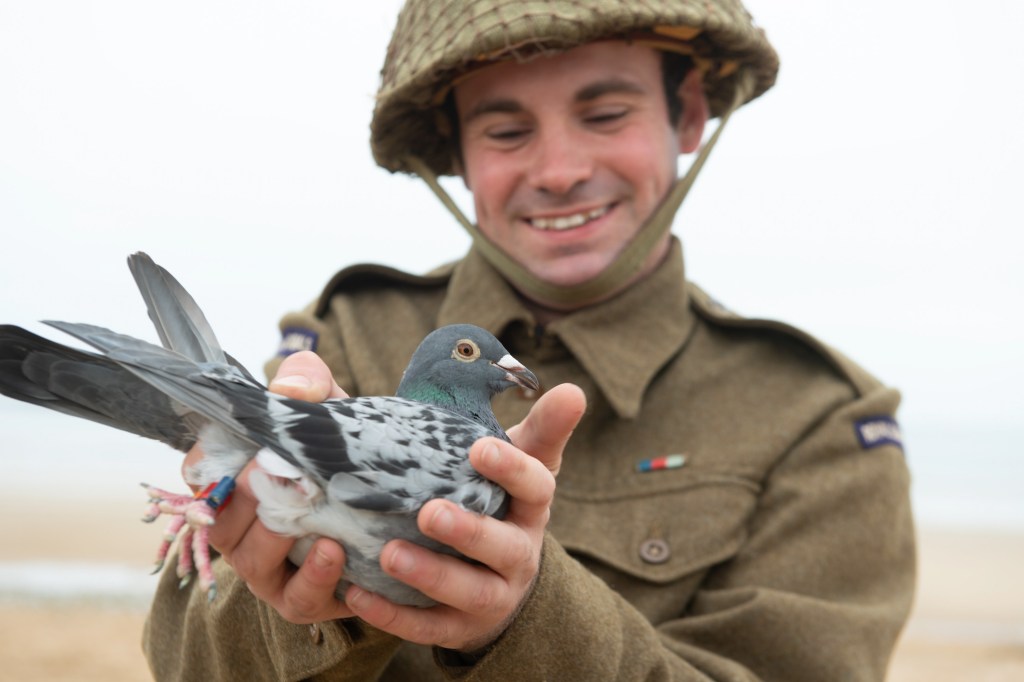
We do quite a lot of portraits here, although I use the term portrait quite loosely. Many of them a little more than passport photos, we get the chance to be a little more interesting. Working in both the studio and on location a big part of the job as a photographer is dealing with and portraying people… or pigeons.

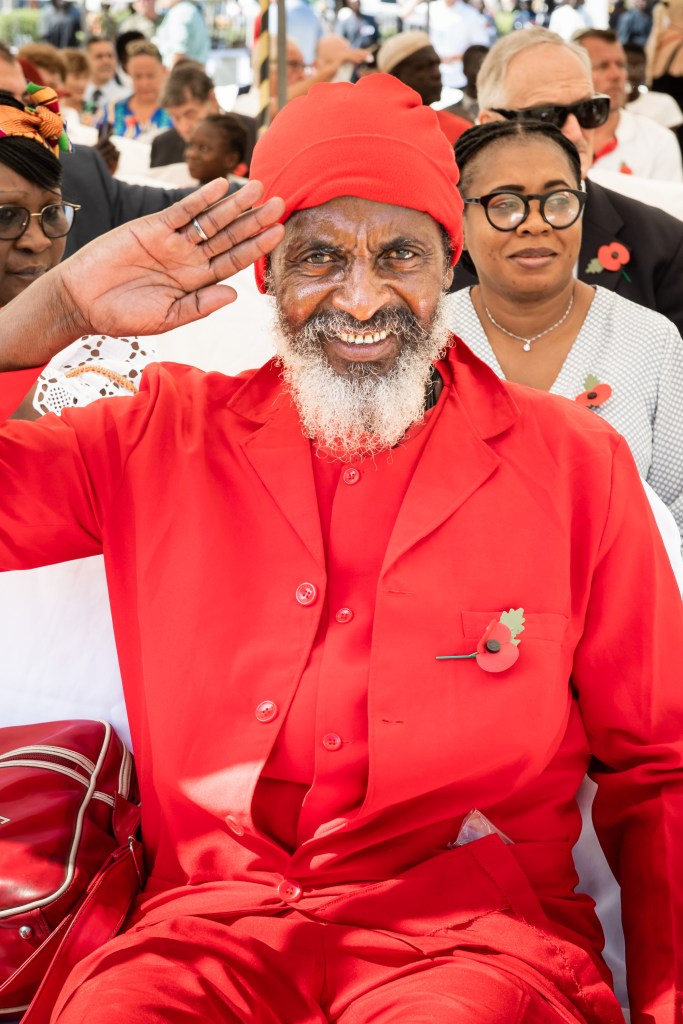
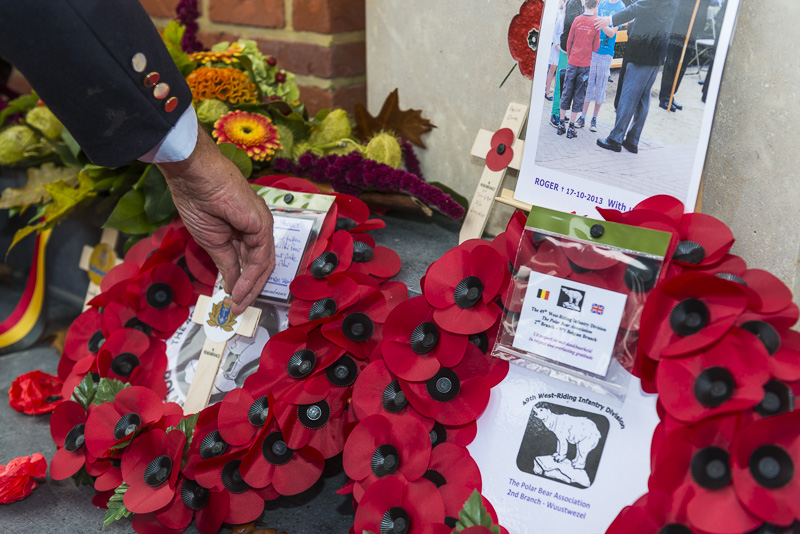
Sometimes you see a character that just draws you in. Often at the most surprising times, like the man who came dressed as a poppy on Remembrance Sunday in Banjul, Gambia.

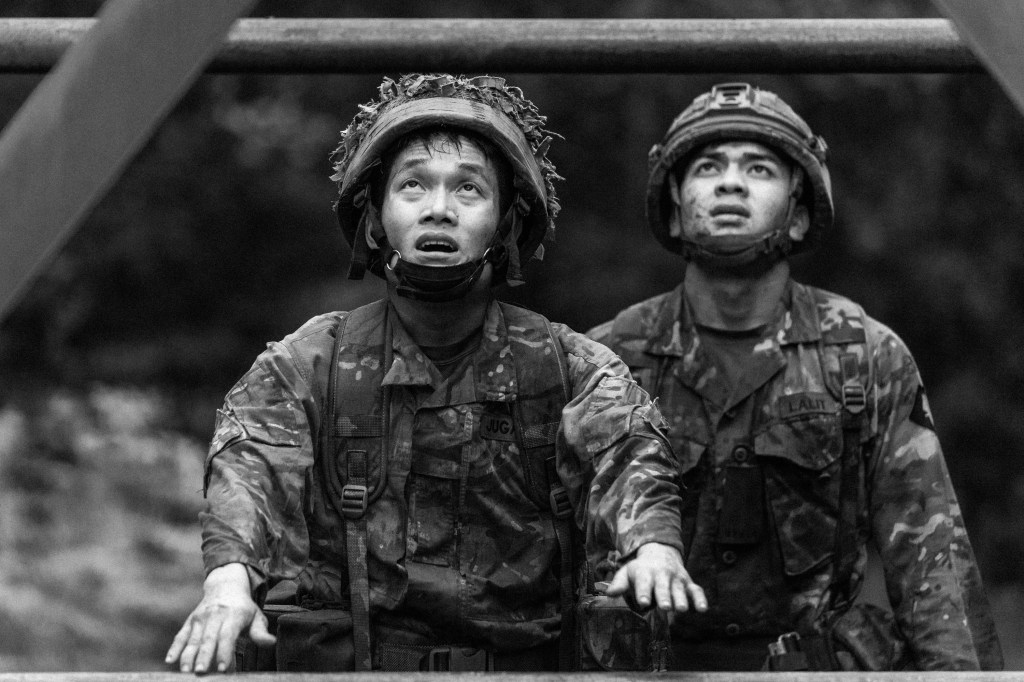
I do love a good expression. In this image, the situation is not obvious at all, but the look on the young mans face tells a story, especially with his right hand lightly touching the bar, I can feel the tension.

Photographers get the chance to experience life outside of your normal boundaries. The annual Gurkha Dashain festival, is, by all accounts very different to the event back in Nepal, but when held here in the UK, they are vibrant colourful and great fun to experience.

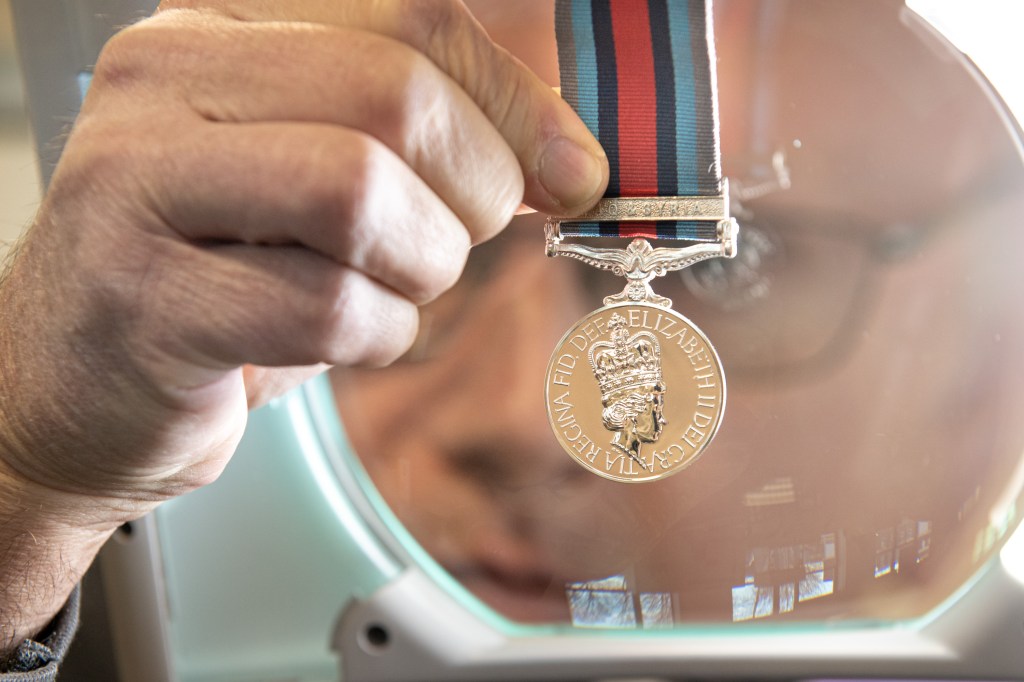
It’s not all about bullets and bangs, there is often a subtlety in play when you have to try to tell a story in a visual way.

_MRN9971

You know?  I’m proud to be able to say I’ve been a working professional photographer for over 15 years.  For all of this time it has been a dream job (most of the time).

Army Headquarters in the morning fog

But there is no time to be complacent, I’ve been in an industry that has changed about as much as it is possible.  One thing is for sure, the landscape is so different, it may as well be on the moon or even farther, Mars maybe.

Burning leaves project

I learned this craft on film, and without using polaroids, you never really knew what you were getting.  There is a generation of photographers that curse this new generation of digital artists, some people don’t like to call them photographers.  Manipulation and editing is so easy these days.  I guess I’ve had my own rants from time to time.

LIME-2016-081-172

With time, the industry has confused me greatly, I have periods where I don’t pretend to understand, bu the fact is, photography is more creative, more experimental these days.  There have always been creative and experimental photographers of course, but never (in my humble opinion), as much as now.  There are a lot of exciting photographers out there.

LIMEfoto-2016-035-137

So what does this mean to me?  Well, I’ve essentially been a staff photographer for 15 years and although this has been an excellent job, that I have enjoyed beyond measure, however as this contract comes to an end, the future seems daunting.  I want to do better, I want it to be an exciting future, with promise and adventure.

LIMEfoto-2016-025-1578

How can I do that?  Well firstly I want to break free of the fear that ‘you are only as good as your last picture’.  This is utter bullshit, and forces a mentality of restriction.  I intend to make loads of mistakes, try new genres, new styles, new subjects without fear of failure.

APOG-2015-001-054-Edit

I still have time… we all do…

As photographers it is important to try and keep things fresh, although it is never as easy as it sounds.  We get an idea of what works, what is safe.  This can be a catastrophe.  Who wants to look at safe images?

1DIV-2014-085-0057

So how can you keep a fresh approach?

1DIV-2014-085-0114

Keep experimenting with different looks, styles and compositional elements.  Don’t be afraid to fail, fear the comfort blanket.

1DIV-2014-085-0229

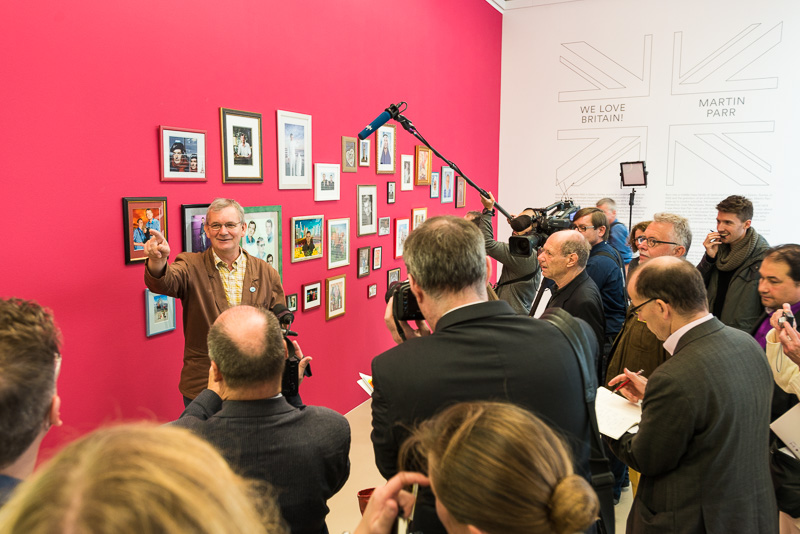
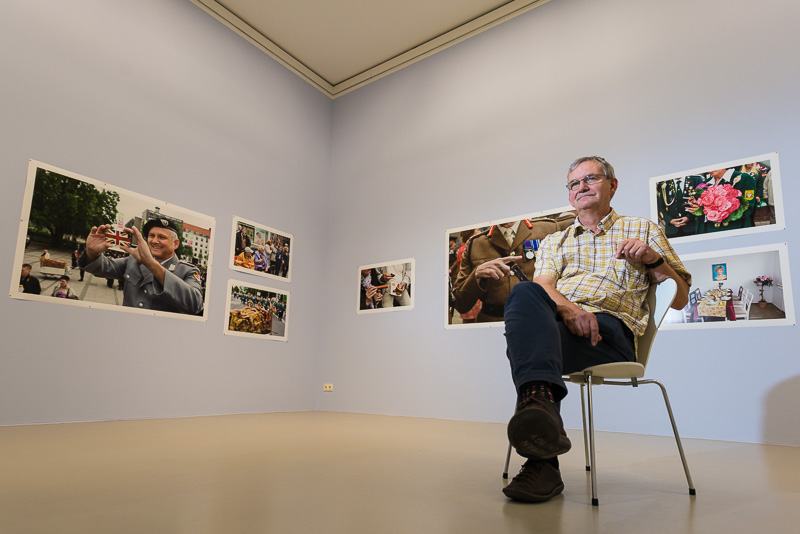
This week (you may already have heard), I had the good fortune to chat with Martin Parr, the Magnum photographer.  Now I am not a groupie of his.  I liked some of his images (early work), and was not convinced with others.

1DIV-2014-085-0285

That said if an image makes you go “what is this all about”, it has made you stop, made you think.  Even if you end up saying “I don’t like it”, it has engaged you.

1DIV-2014-085-0204

So I decided to try some things out at a job.  I wanted to look at new ways of dealing with the subject.  I set aside more time to engage with some of the subjects.  I looked at different ways I could compose a shot, light it.  I even pulled out my old ring flash.

1DIV-2014-085-0350

1DIV-2014-085-0098

1DIV-2014-085-0387

I will admit that before I actually went to meet and photograph Martin Parr, I knew very little about him. I knew of some of his work, I know he is a “Magnum” photographer. Apart from that I knew little else.
1DIV-2014-084-0123
Martin Parr? Who is Martin Parr? I know some who read this will not have a clue. Now having met him, I have a better idea.
1DIV-2014-084-0080
He is pleasant, a little distant (until he gets to know you a little), pretty scruffy, well actually he is very scruffy. What does that even matter.
1DIV-2014-084-0036
His photographic work is quite recognisable, he tends to use direct flash, and was a pioneer in the use of colour film on the ‘art scene’. He then started to develop using a ring flash with amateur film creating very saturated detail shots.
1DIV-2014-084-0024
The upshot was he was eventually invited to join ‘Magnum’, the photographers group which started post WW2. He funnily recalls the fact that he is the only photographer to be accepted into Magnum twice. He explains that to gain access to this prestigious club, you need approval from 75%. He was awarded access by one vote, only for a latecomer to then vote ‘No’. He was out again. The ‘Yes’ campaigners then rallied around and found one of their own stuck in hospital, so a quick visit, another ‘Yes’ vote and Martin was again voted in.
1DIV-2014-084-0044-Edit
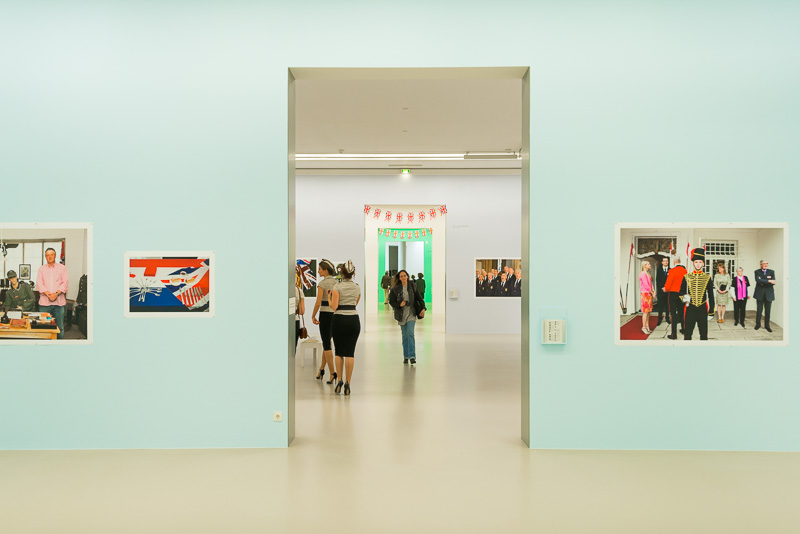
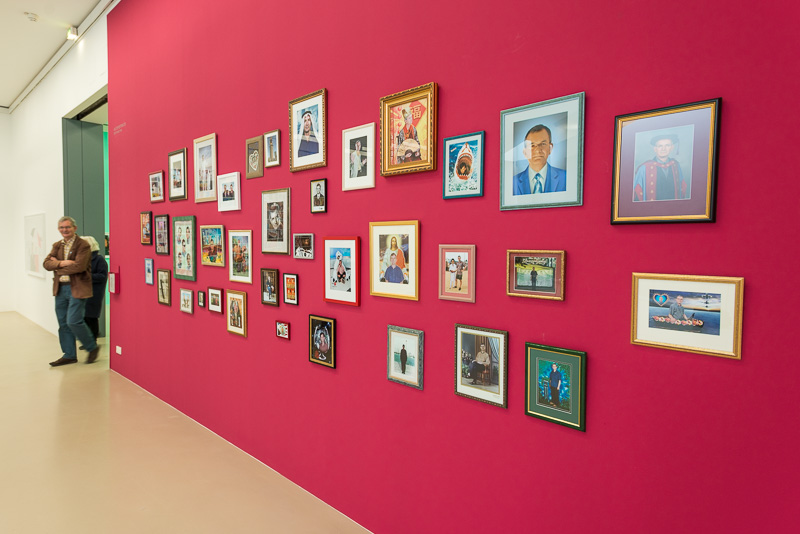
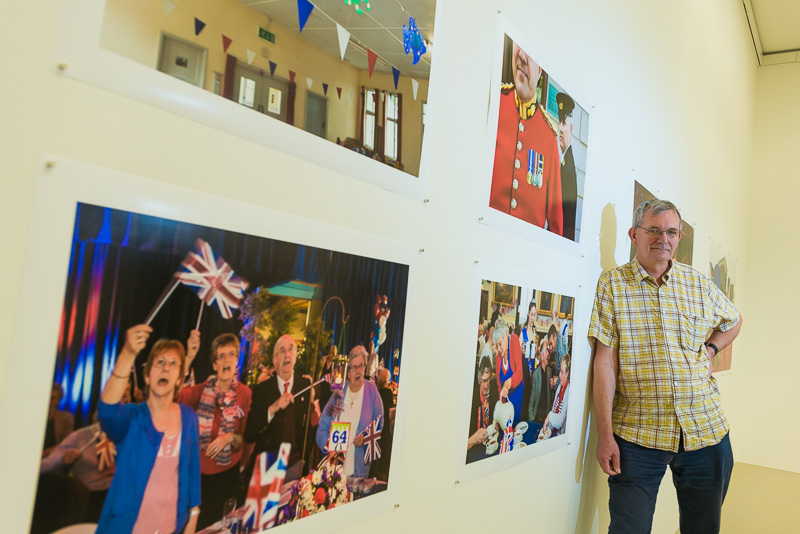
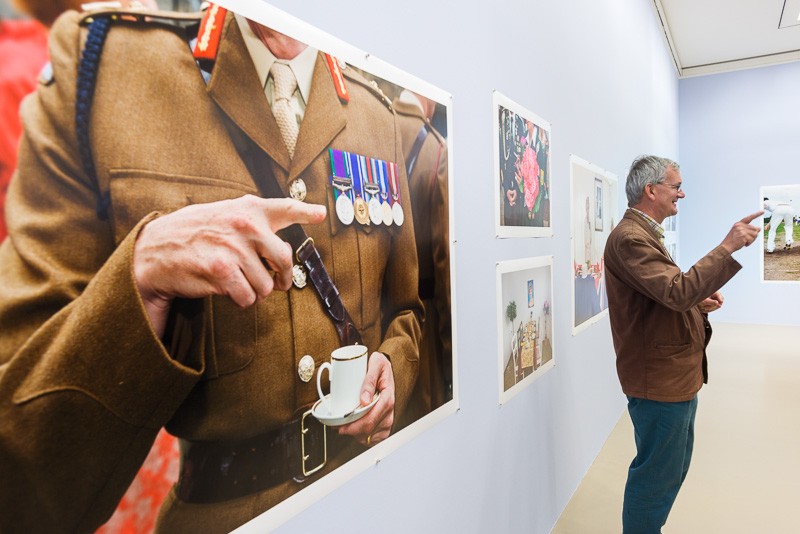
Martin had been invited, well commissioned actually by the Sprengel museum, in Hannover to compile a body of work for an exhibition looking at the British influence in Lower Saxony, a large county of the German Bundesrepublic. The county has been strongly linked with the British for centuries, especially after the Royal links with the house of Hannover. On his travels for the project he was introduced to the British Military, a force he was not expecting to be too influential for the project, but turned out to be a major contributor.
1DIV-2014-084-0015
Anyway, I digress, this is not about the exhibition, this is about him. Oh and me ;).
1DIV-2014-084-0106
How do you approach a subject like Martin Parr? Love him or not, he has built a life out of photography, he is in Magnum for f*@$ sake. In the plain for photography, I am on the foot hills where as he is at the top of an Alpine peak. I wanted to get some portraits that included the exhibition. I won’t say I was overwhelmed, I felt ok. I knew he has a lot of portraits of people that do look awkward, it is a style thing with him (possible over simplified). I wondered if I could do the same. In hind sight I think I could have done better but then is that not photography?

You decide. What I will say though, if you are near to Hannover and have some time, go and see the exhibition. Having spoken to the photographer, perhaps I have that extra dimension, but it is great to see these images in their prime. The quality and vibrancy will never be as good in print or on the Web. It is always better to see art in the flesh.

http://www.magnumphotos.com/C.aspx?VP3=CMS3&VF=MAGO31_10_VForm&ERID=24KL5357TF

As I write this I have just discovered that another good friend of mine has been ‘ripped off’ by a so called professional photographer.  Why am I pissed off?  Simple, because every time this happens the effect is felt throughout the whole industry.  I have been a professional photographer for over ten years now and I do not know all there is about photography.  It has taken years to build a reputation, a style and a direction.  There is no short cuts for this,

There have always been con men and women, that is nothing new, but the recent progress in photography has made this a breeding ground for minimum risk chancers.  It is easy to set up a website, operate for a few weeks and then vanish.

Everyone is aware of the massive increase in photographers available and offering you their skills. This is both good and bad.  Good because it has removed much of the elitist attitudes and competition is always good.  Bad because most clients know little or nothing about the industry and how it should operate to be able to make an informed choice.

The papers are always telling stories of a bride and groom duped into giving away their hard earned money and being heart broken when the resulting images are not at all what they expected.

So how can I help?

I am going to give prospective clients 5 tips to reduce the risk.

1.  Do your research.  Visit the photographers website (no website should set alarms going), check their galleries.  Is their work of a quality you would be happy with?  Are the images of a similar style?  Are they creative images?  Visit their Blog (most have them now), do their blog entries match their website in quality and style?  Look for endorsements but don’t trust them out of hand, anyone can write a few words.  Be more trusting of personal recommendations although this is not always possible.

2.  Speak to the photographer and meet them before any booking.  Check the quality of their work on their walls, again, does it match the website for quality and style?  Ask to see any other imagery that they have done that is not on their website or blog.  Always ask to see a complete wedding if that is what you want to hire your photographer for.  That could be either a digital display or a copy of the wedding album.  Be cautious if they refuse, why would they?  

3.  Make sure the photographer has insurance.  This should mean that you are protected to some degree.  If your wedding photographs are ruined then this insurance will cover for this.

4.  Get an contract.  This should be an agreement like an email identifying what you should expect may suffice in many cases.  I have had instances as a photographer where a client has said to me ‘but I thought I was going to get A, B and C’, the contract is there to protect the photographer as well as the client.  Make sure you read and understand what is written.

5.  Be cautious with up front payments.  Most photographers will charge you some kind of sitting fee, this is to be expected.  Make sure you know what you are getting for that.   You should however expect to pay up front for a wedding (this is standard practice) so seeing as much evidence of the photographers work as possible is a must. 

These simple suggestions will not remove the risk completely, but may minimise it.  Photography is subjective and in any dispute, if the images are well composed and exposed correctly, you might find any judgement does not go in your favour.  Make sure you actually like the work you have been shown.

A photographers web site should only contain images that they have taken themselves or within a larger company, although there have been instances where photographers put stock imagery on their page, so their website has professional imagery.

These points are not an exhaustive list but a mere five suggestions that will help minimise your risk.

I am sure I have mentioned before how time is our worst enemy, although as a photographer it is one of the most important factors we work with.

MRN-2013-037-0033

Creativity never comes with guarantees, but you have to keep trying and keep your options open

Time threw another curve ball yesterday with a gentle reminder of how quickly time had gone by.

MRN-2013-032-193

You find shots you like but it is always great when a client sees your vision.

Being a photographer is a strange existence at times.  Very few of us lead repetitive lives, you can’t take the same photographs day in day out, so you are always meeting with new people and looking for the next shot.  Let’s be honest though how many of us re-create the wheel at all in their lives let along every day?

1Div-2013-033-0982

Some moments are longer than others and that is never more obvious than with photography.

With the general understanding of the term ‘professional’ (which actually has nothing to do with making money) skewed, my goal or ambition is to be as professional as I can be.  Not always easy when we juggle so many different balls.  But it is out there, my goal.

MRN-2013-043-068One thing that experience gives you is a grounding for capturing an image or at least working out the mechanics of capturing an image under most circumstances.

One of the key motivators for me is the learning process, I love to try out new things, new [for me] ideas, more opportunities to attract fresh clients.  The best way to do this I have found is to keep up with what people want.  There is still usually enough room for your individual flair though.

MRN-2013-042-056-Edit-2No photographer likes to sit still, there are always more challenges ahead.  A new market place to enter, more clients to please.

One of the more important things to keep in mind also though is that not everything goes to plan but this should not worry you, but just keep you on your toes.

1Div-2013-033-0081The technical aspects of a shot are not always clear to see, but this does not mean the shot was simple to capture.

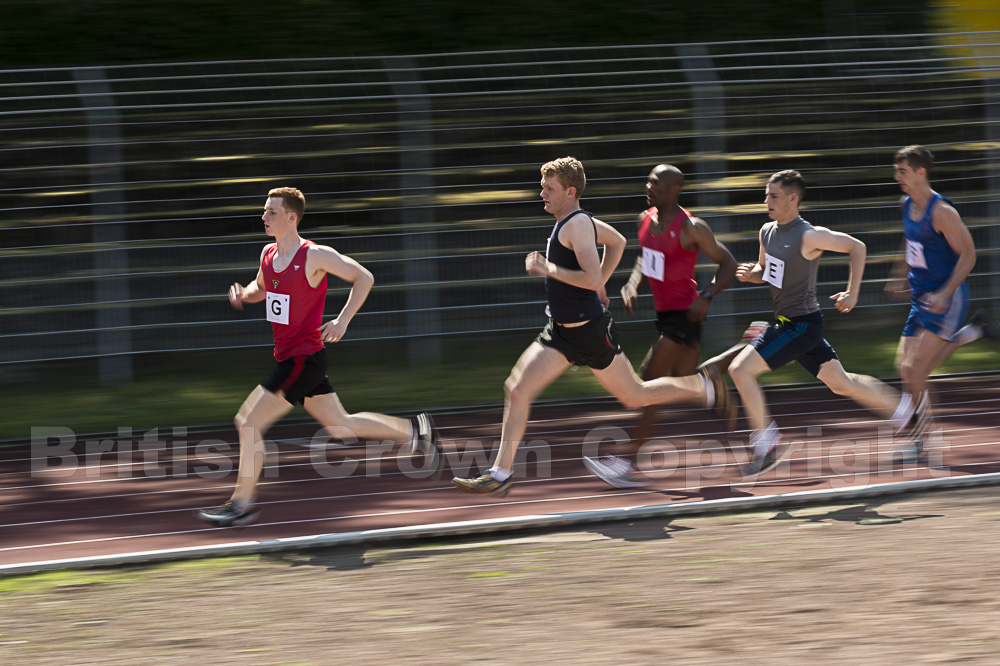
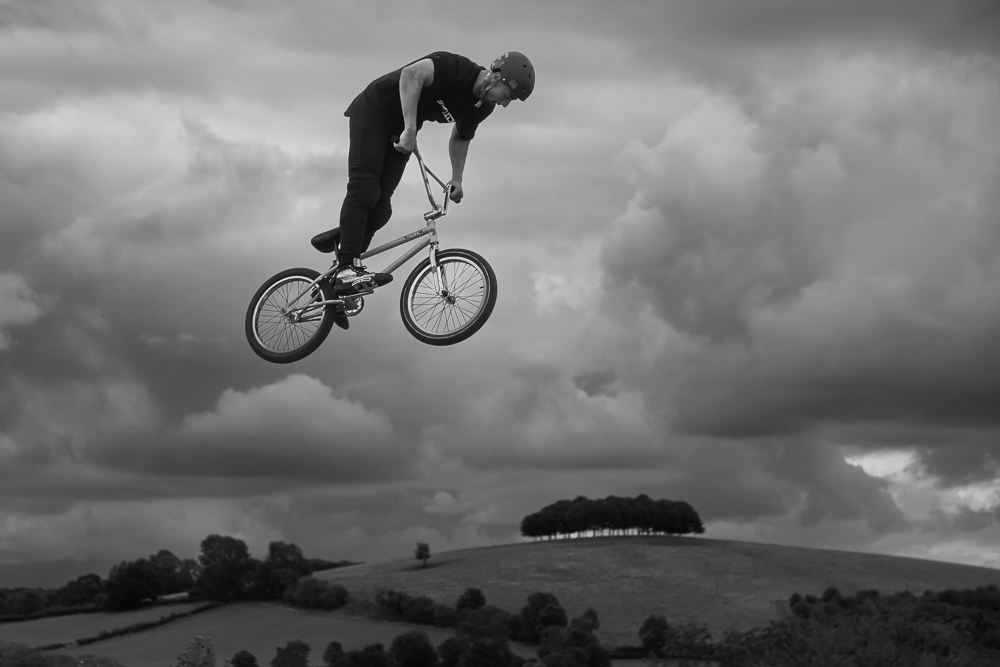
These images on today’s blog include some military work and some personal work but shows some of the variety we are faced with on even a weekly basis.