Archive

Tag Archives: respect

I am not a rocket scientist, I really am not. This I know very well by now. I am very unlikely to ever be a rocket scientist, just to be clear here, but I am also not that stupid…

Visibility is never 100%, our own limitations are one thing but then there is the shadows caused by moving clouds that mean the sun does not shine everywhere.

As I embark on a new career in the wonderful world of Agile, I have a few hurdles that probably look like hurdles in a great many places of work. Being a newbie is always a challenge, always. It’s kind of like jumping into an epic book but starting half way through.

It really is like this and it doesn’t help that the organisation just doesn’t seem to care all that much. Is it too much to ask to be able to access the information I need to help me gain the required understanding? Probably as these days of employee empowerment, and digital channels being a free for all (it seems). Governance or rules have gone the way of the Dodo, it seems. Everyone is busy busy busy creating content that often it feels like it has no connection to the quagmire elsewhere in the organisation. What is wrong with having some simple rules to follow so that everyone’s content remains relevant, contextual and meaningful? Or maybe the rules do exist but are just too hard to find in a swamp full of opinion and perspectives.

I like empowerment, I love it in fact, it is a really huge and beneficial step forward although I think many organisations are confused by the concept. Empowerment is not about a lack of accountability or responsibility. it’s about allowing and authorising people to make decisions in your organisations where their expertise allows. After all you wouldn’t expect the receptionist to decide to spend a billion of the organisations funds to implement a new process of recruitment. Of course not, I’m clearly being daft. It is just an exaggeration to make a point although it seems that with communication means, this is exactly the kind of error being made.

Confluence pages are made with ease, they feel disposable and irrelevant, but they are visible, accessible and may be believed as representative the organisations values, but do they? Finding accurate and comprehensive information is becoming increasingly difficult when organisations seem reluctant or unwilling to control and maintain any more.

Shifts have been quick, digital content is powerful and really useful, but only when it all connects. Are we in a vacuum of uncertainty, where organisations don’t feel confident to pull back the reigns of empowerment in order to get it working right? Just setting the approved layout of information with a universal understanding of what is required with a process of either peer review or line manager checks might help but it does feel like this goes against the empowerment movement, but checks are not a negative thing, they are a learning and confidence aid. What is wrong with a more experienced member of staff, sharing their knowledge?

So I will continue to wade through the fragmented information to try to gain the insights needed to add value.
Life is not all smiles, in fact if you believe Buddhists, life is suffering. I think we all have periods of our lives when we can relate to that.

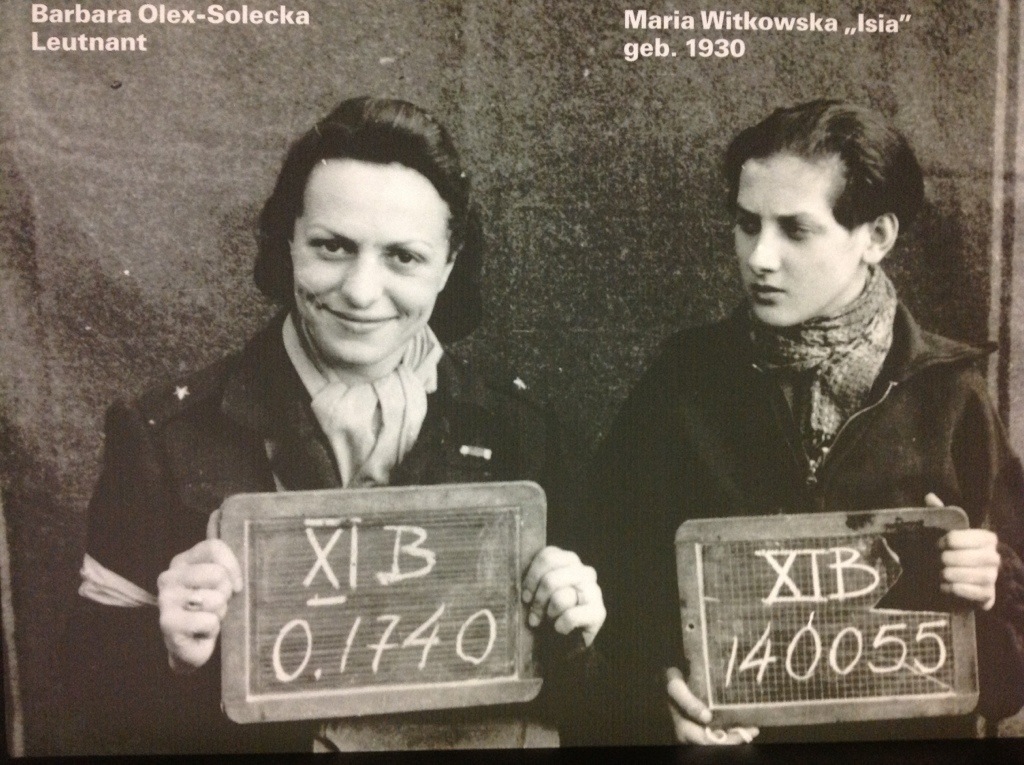
We experience bad things, this is only natural, although who can say that they experience pain (physical or psychological). This week I decided to go back to a place I went to as a child and never really understood, Belsen, one of the Nazi concentration camps of WWII.

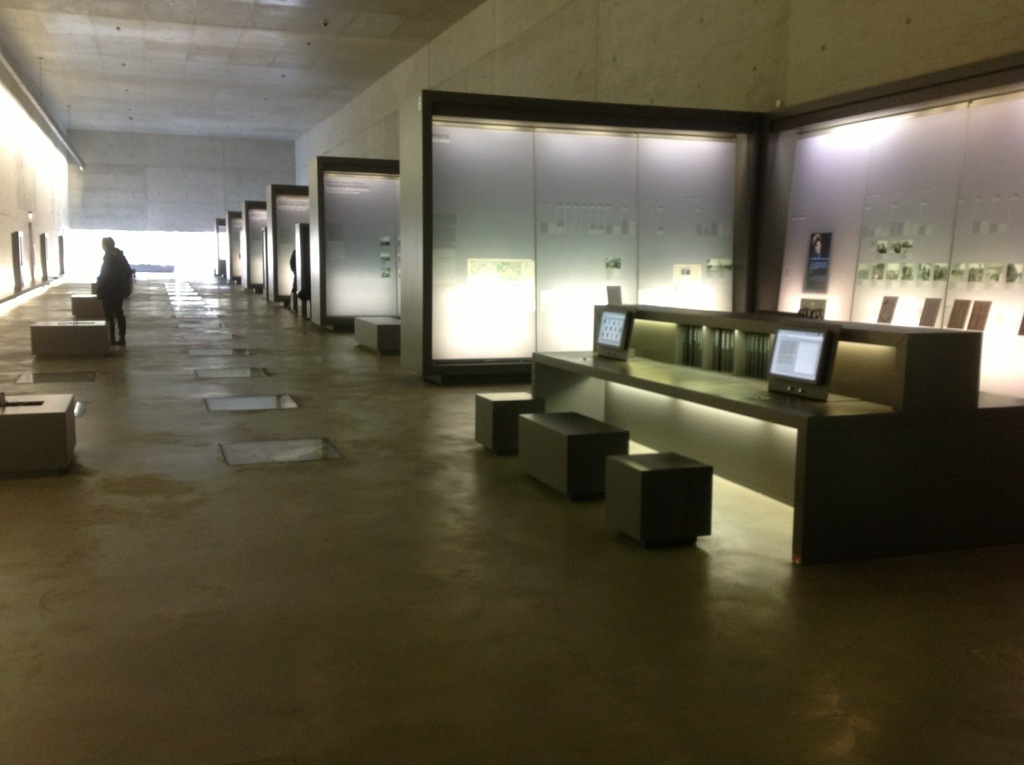
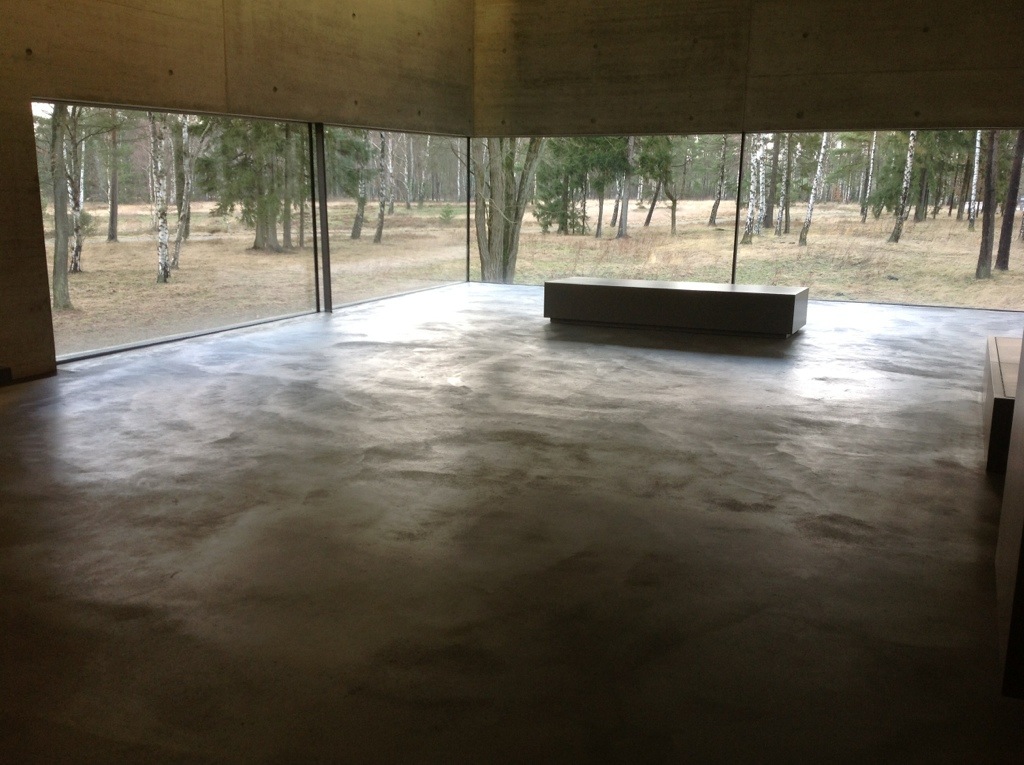
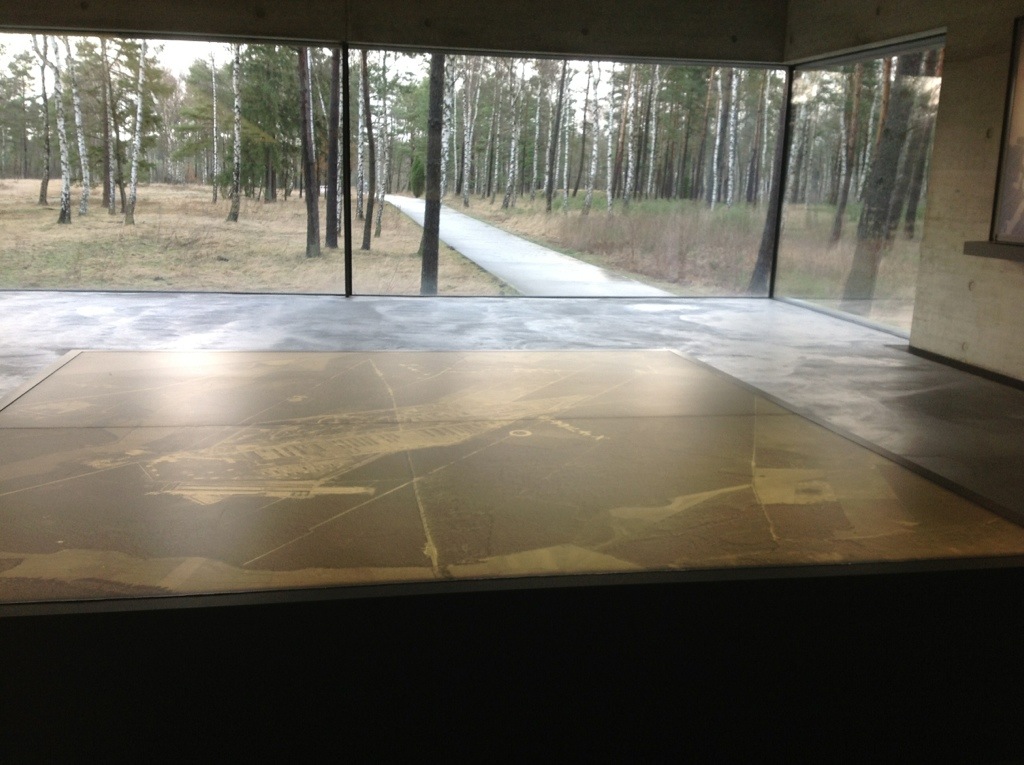
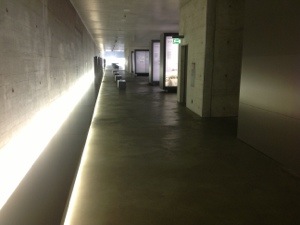
Now to put this in context, I used to live near to Belsen as a child growing up in a forces environment, but as a child you should not understand these things (sadly this is not the case for all children). Going back to the new museum (since I was a child), I was initially shocked by the museum, it felt cold, impersonal, forbidding. As I spent time in there, the more I understood it.

My wife’s Grandfather served in the Royal Engineers during the Second World War and was one of the first to enter Belsen. As a keen amateur photographer who had his own kit, he was requested to take some photographs of what he saw, such was the dis belief of what they did see, there must have been a real fear that the outside world would simply not believe it. Sadly he suffered the effects of what he witnessed for the rest of his life. Many of the photographs and negatives were destroyed on the advice of a psychiatrist in the 60’s or 70’s. A few did survive and were given to the Imperial War Museum together with the camera they were taken on.

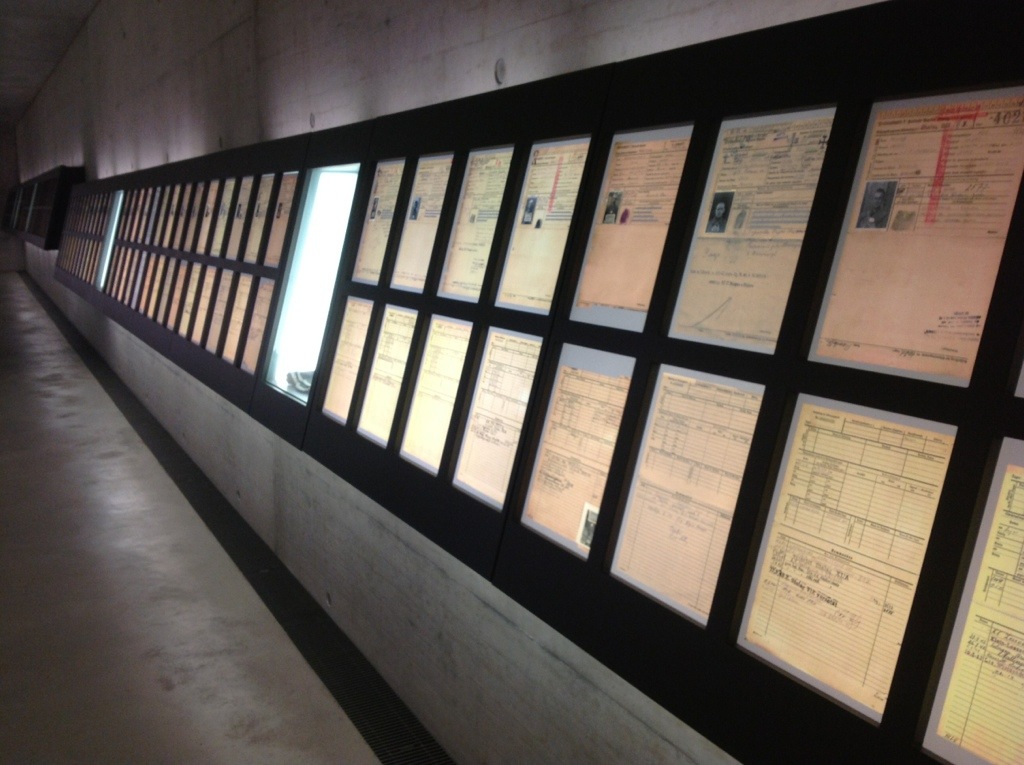
On reflection as you see the exhibits, the photos, the artifacts later discovered, it becomes clear. How can you soften this place, no matter how uncomfortable you make the museum, it CAN never be as dreadful as it was for these inmates.

I will always remember the story told to me by my Grandfather in law, on entering the camp there was a young girl, sat near the abandoned gates, malnourished and to weak to even stand. By the time he walked past her again a couple of hours later, she was dead.

Part of the exhibition (that does not feel like the right way to describe it), the memorial, is a video exhibit filmed by the AFPU (Army Film & Photography Unit), the fore runners of our existing trade of RLC photographers. The video is harrowing to see, as it shows the reality that made me a little uneasy, watching the dead being dragged around in ceremoniously by a limb only to be dumped in huge ditches. I am realistic enough to understand that due to the sheer scale of the problem, it had to be dealt with so quickly as the stench of death must have been almost too much to bear.

Sadly it would be at least a little bit comforting to know that as a result of these atrocities, similar events would be avoided, but alas, this has been proven not to be the case.
Even more disturbing I think is the groups that deny that these events have been fabricated, they never happened. I don’t understand that even with the weight of evidence in still and video imagery, there can be any doubt, but it makes me wonder what motivates this denial, or the continued refusal to accept the worst in human behavior. Whist that continues, should we continue to accept these situations? How do we, as a species stop it?

20130224-185018.jpg

20130224-185155.jpg

20130224-185218.jpg

20130224-185230.jpg

20130224-185249.jpg

20130224-185300.jpg